The Zen Approach: Five Wellness Treatments that Japan Does Differently
Japan has long approached well-being through ritual rather than reinvention. Many of the treatments now appearing in Western spas have existed quietly there for centuries, refined through tradition and repetition rather than trends. The emphasis is on circulation, longevity and maintenance. Across these practices there is a common thread: treatments designed to support the body’s natural systems rather than override them.
For women especially, beauty and wellness are rarely separated. The treatments below sit somewhere between the two.
JOIN THE RITUAL. SIGN UP FOR EXCLUSIVE CONTENT, EXPERT INSIGHTS,
RITUALS, STORIES, NEW LAUNCHES & EXPERIENCES
by Maya Boyd
Kobido Facial Massage
Long before the modern obsession with injectables, Japanese facialists were lifting and sculpting the face with their hands.
Kobido, which translates roughly to “the ancient way of beauty,” dates to the 15th century and was originally practiced for women of the imperial court. The technique involves rapid, rhythmic hand movements that stimulate circulation and activate facial muscles. It looks deceptively light but the choreography is extremely precise. Tapping, kneading and lifting movements move quickly across the face, neck and scalp.
“Kobido results in a noticeable brightening of the skin and subtle lifting through increased blood flow and lymphatic circulation” says Ibiza-based Kobido specialist Fulvia Marengo, whose cult word-of-mouth following speaks for itself. “The firm, rhythmic pressure supports skin oxygenation and nutrition, removes dead cells and releases tension in the face and neck. The result is glowing, luminous, fresh skin on a serene and radiant face.”
Onsen Bathing
Bathing in Japan is not a quick wash. It is a ritual and often a destination.
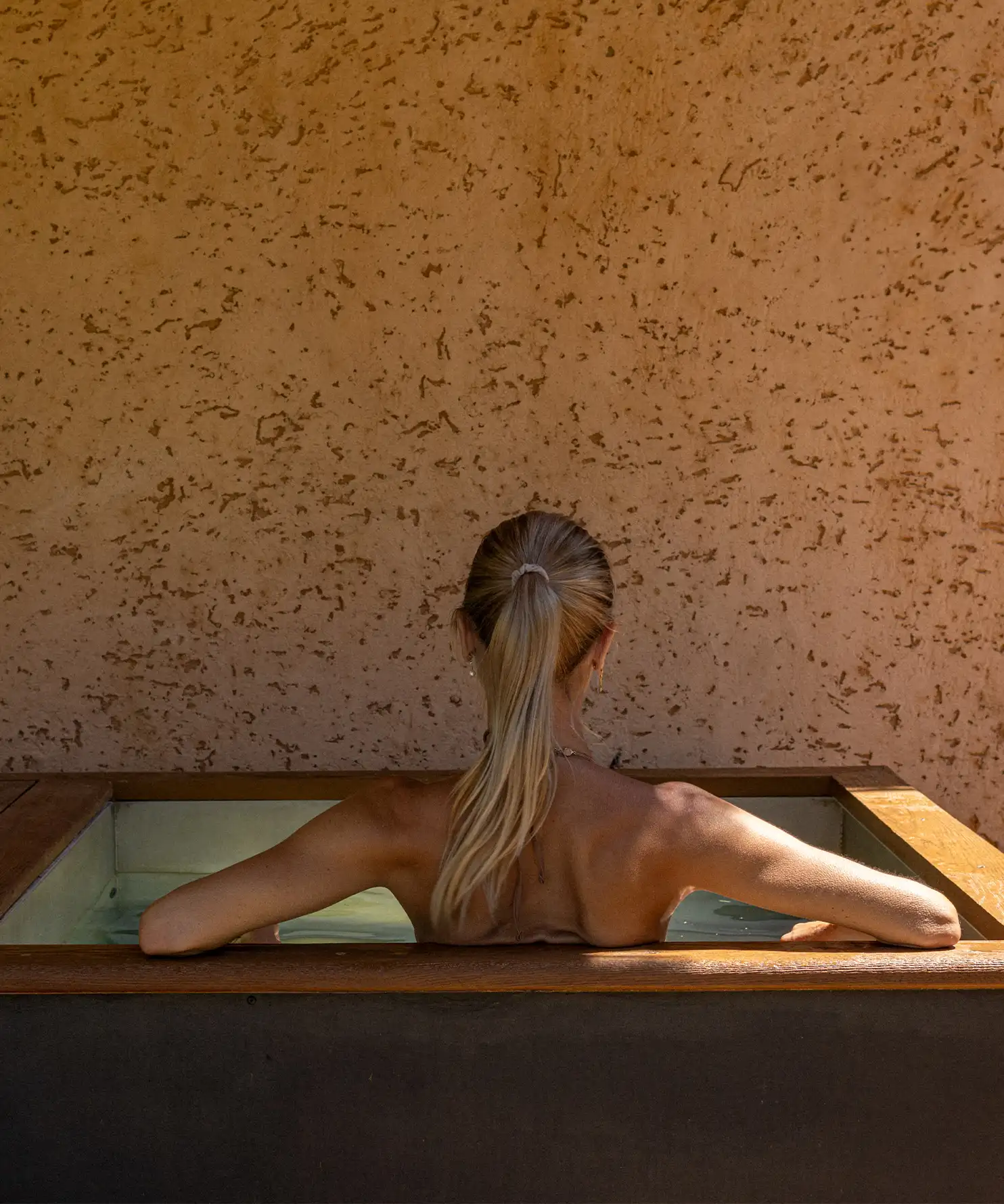
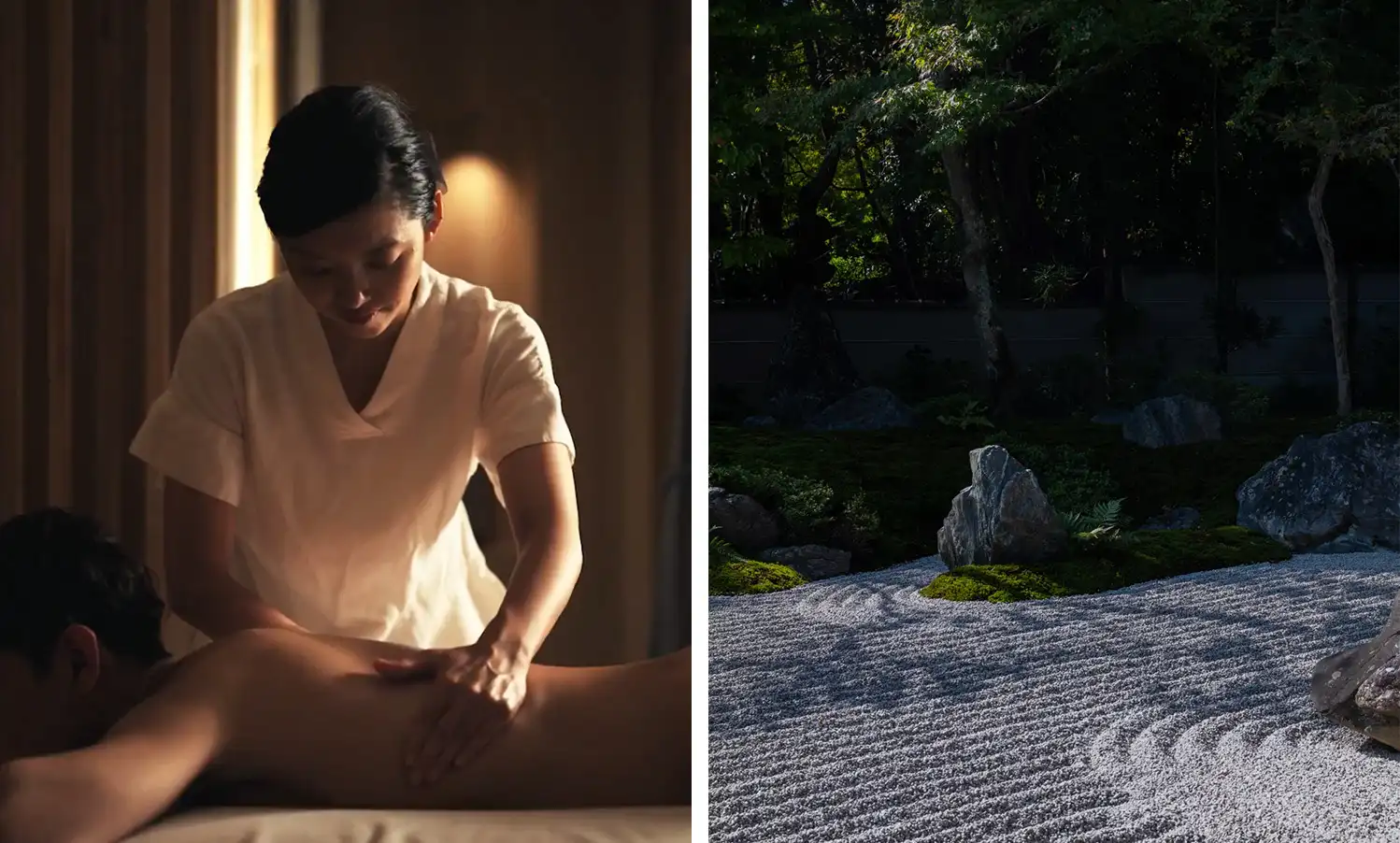
Across the country, thousands of natural hot springs bubble up from volcanic ground. These onsen are rich in minerals such as sulphur, magnesium and iron, each associated with different therapeutic benefits from easing muscle pain to improving circulation and softening skin.
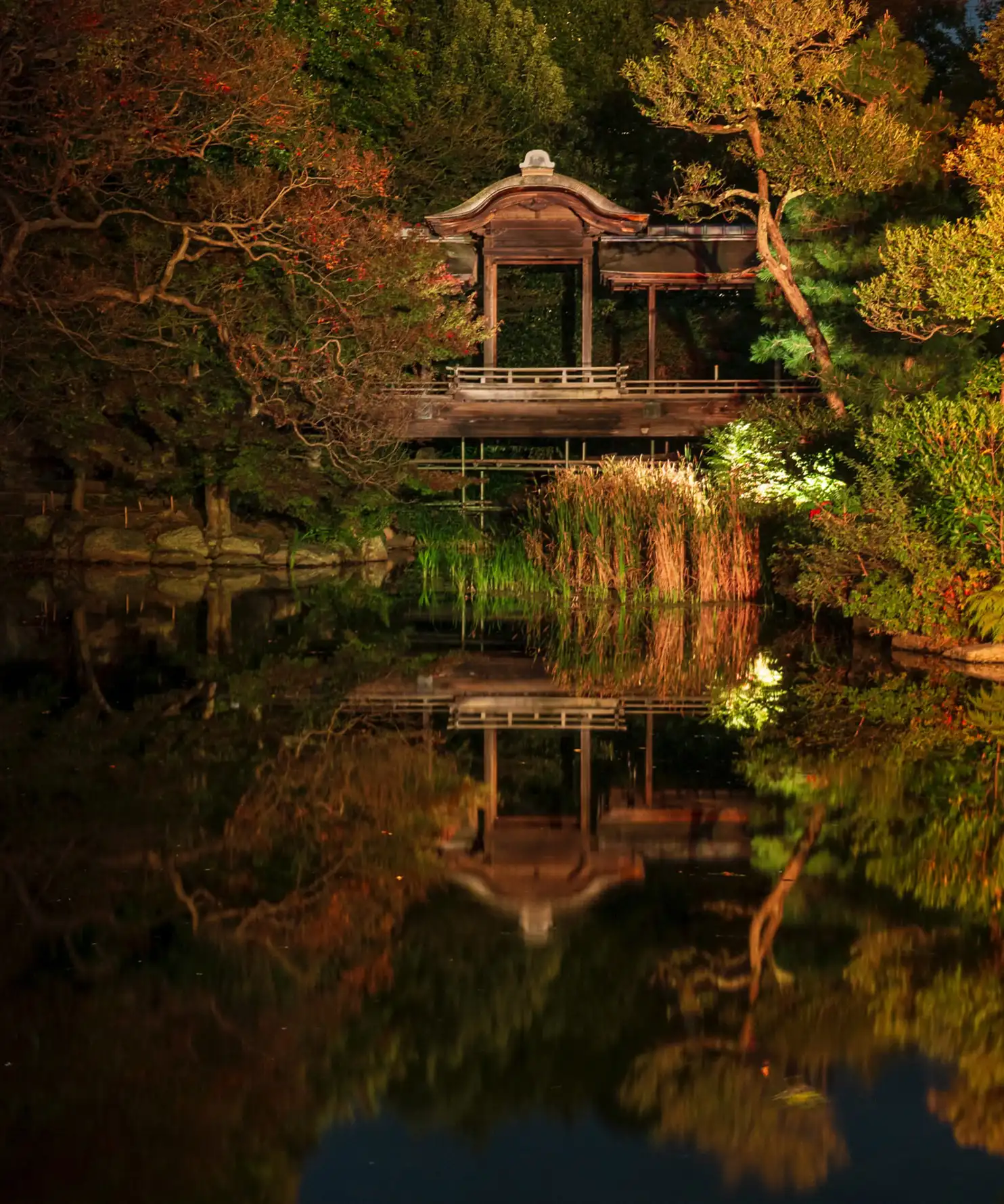
The protocol is strict. Bathers wash thoroughly before entering the pools, then soak quietly in the steaming water, often surrounded by forest or mountain landscapes. Many ryokan inns are built around their own springs, where guests rotate between different baths at varying temperatures.
Japanese women grow up with this practice. The benefits are cumulative. Regular soaking is believed to support circulation, skin health and stress regulation.
© Six Senses Kyoto
Ganban-yoku Stone Therapy
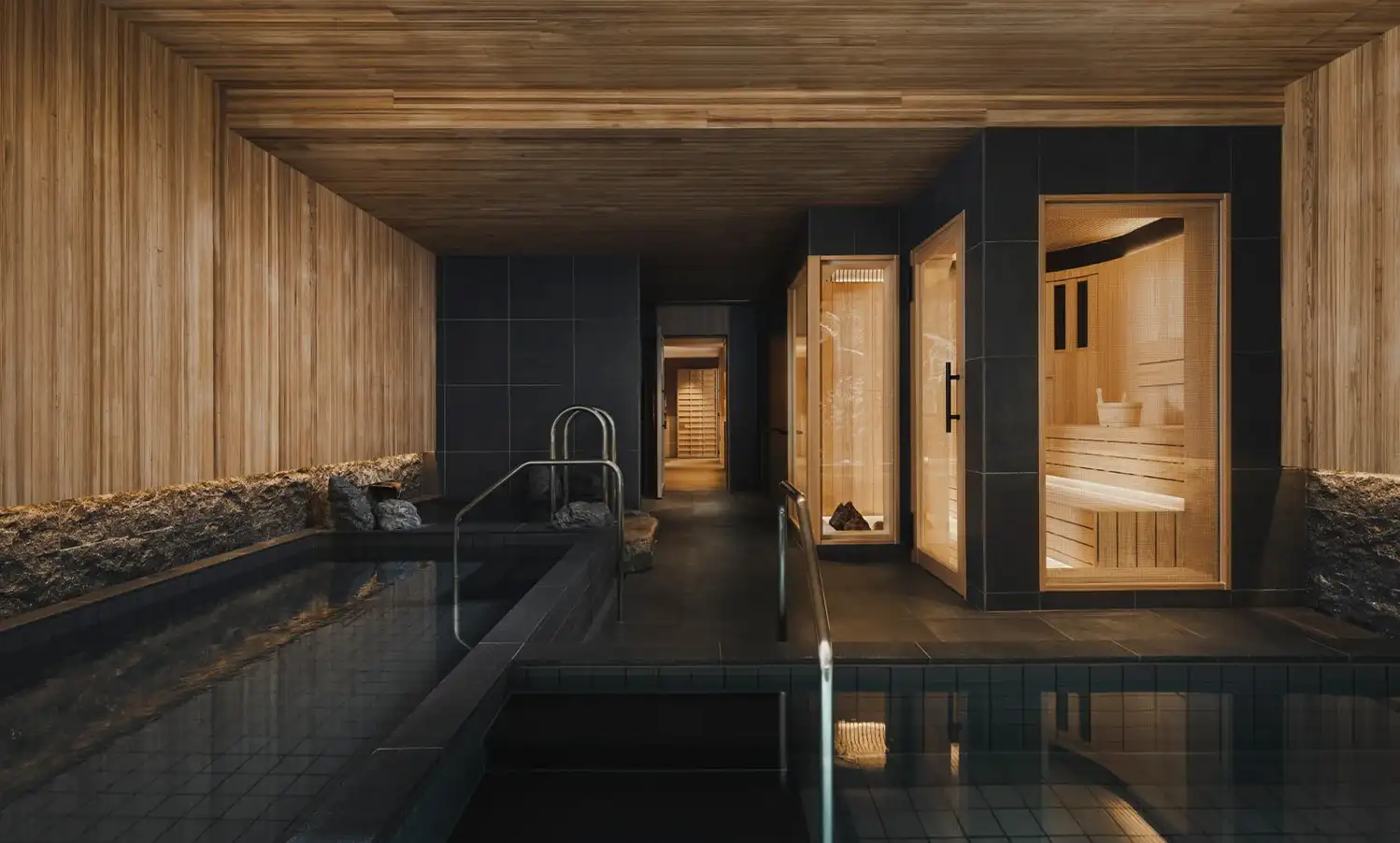
Often described as Japan’s answer to the sauna, ganban-yoku is a gentler form of heat therapy that has become popular in urban wellness facilities.
Guests lie fully clothed on heated slabs of volcanic stone such as black silica or granite. The stones radiate warmth slowly into the body, encouraging sweating without the extreme temperatures of traditional saunas.
The treatment is thought to improve circulation, release muscle tension and stimulate detoxification through gradual perspiration. Sessions typically last 40 to 60 minutes, with guests moving between heated rooms and cooling areas.
The atmosphere tends to be quiet and meditative rather than social. It is heat therapy designed for restoration rather than endurance.
Japanese Head Spa
In Japan, scalp care is taken as seriously as skincare.
Head spa treatments combine deep scalp massage, cleansing rituals and targeted treatments designed to improve circulation around the hair follicles. The experience usually begins with microscopic scalp analysis followed by exfoliation, massage and long, flowing rinses of warm water that move across the head and neck.
Beyond improving hair health, the treatment has a powerful relaxation effect. The scalp holds a surprising amount of tension and sustained massage along this area helps calm the nervous system.
It is one of the most sought-after treatments in Japanese salons and increasingly in luxury spas abroad.
© Six Senses Kyoto
Ashiatsu and Reflexology
Foot reflexology is widely practiced throughout Japan, particularly in cities where walking is part of daily life.
Therapists apply targeted pressure to points along the feet believed in traditional Eastern medicine to correspond with different organs and systems in the body. Sessions are typically short but focused, often 30 to 45 minutes.
Some studios also incorporate ashiatsu, a technique where the practitioner uses controlled pressure from their feet to deliver deeper bodywork along the back and legs.
The treatments can be surprisingly intense but many regulars swear by them for improving circulation, relieving fatigue and restoring balance after long days on foot.
by Maya Boyd
Kobido Facial Massage
Long before the modern obsession with injectables, Japanese facialists were lifting and sculpting the face with their hands.
Kobido, which translates roughly to “the ancient way of beauty,” dates to the 15th century and was originally practiced for women of the imperial court. The technique involves rapid, rhythmic hand movements that stimulate circulation and activate facial muscles. It looks deceptively light but the choreography is extremely precise. Tapping, kneading and lifting movements move quickly across the face, neck and scalp.
“Kobido results in a noticeable brightening of the skin and subtle lifting through increased blood flow and lymphatic circulation” says Ibiza-based Kobido specialist Fulvia Marengo, whose cult word-of-mouth following speaks for itself. “The firm, rhythmic pressure supports skin oxygenation and nutrition, removes dead cells and releases tension in the face and neck. The result is glowing, luminous, fresh skin on a serene and radiant face.”
Onsen Bathing
Bathing in Japan is not a quick wash. It is a ritual and often a destination.
Across the country, thousands of natural hot springs bubble up from volcanic ground. These onsen are rich in minerals such as sulphur, magnesium and iron, each associated with different therapeutic benefits from easing muscle pain to improving circulation and softening skin.
The protocol is strict. Bathers wash thoroughly before entering the pools, then soak quietly in the steaming water, often surrounded by forest or mountain landscapes. Many ryokan inns are built around their own springs, where guests rotate between different baths at varying temperatures.
Japanese women grow up with this practice. The benefits are cumulative. Regular soaking is believed to support circulation, skin health and stress regulation.
© Six Senses Kyoto
Ganban-yoku Stone Therapy
Often described as Japan’s answer to the sauna, ganban-yoku is a gentler form of heat therapy that has become popular in urban wellness facilities.
Guests lie fully clothed on heated slabs of volcanic stone such as black silica or granite. The stones radiate warmth slowly into the body, encouraging sweating without the extreme temperatures of traditional saunas.
The treatment is thought to improve circulation, release muscle tension and stimulate detoxification through gradual perspiration. Sessions typically last 40 to 60 minutes, with guests moving between heated rooms and cooling areas.
The atmosphere tends to be quiet and meditative rather than social. It is heat therapy designed for restoration rather than endurance.
Japanese Head Spa
In Japan, scalp care is taken as seriously as skincare.
Head spa treatments combine deep scalp massage, cleansing rituals and targeted treatments designed to improve circulation around the hair follicles. The experience usually begins with microscopic scalp analysis followed by exfoliation, massage and long, flowing rinses of warm water that move across the head and neck.
Beyond improving hair health, the treatment has a powerful relaxation effect. The scalp holds a surprising amount of tension and sustained massage along this area helps calm the nervous system.
It is one of the most sought-after treatments in Japanese salons and increasingly in luxury spas abroad.
© Six Senses Kyoto
Ashiatsu and Reflexology
Foot reflexology is widely practiced throughout Japan, particularly in cities where walking is part of daily life.
Therapists apply targeted pressure to points along the feet believed in traditional Eastern medicine to correspond with different organs and systems in the body. Sessions are typically short but focused, often 30 to 45 minutes.
Some studios also incorporate ashiatsu, a technique where the practitioner uses controlled pressure from their feet to deliver deeper bodywork along the back and legs.
The treatments can be surprisingly intense but many regulars swear by them for improving circulation, relieving fatigue and restoring balance after long days on foot.
DON’T MISS