
Five At-Home Health Tests Worth Knowing About by Decade: Aníma Recommended
At-home testing has never been easier, but let’s consider what actually makes a test useful. Value lies not in the volume of information collected, but in how clearly it reflects what is happening beneath the surface. It’s less about gathering numbers and more about choosing the right test for where your body as at in this moment.
Read more on nervous system regulation
JOIN THE RITUAL. SIGN UP FOR EXCLUSIVE CONTENT, EXPERT INSIGHTS,
RITUALS, STORIES, NEW LAUNCHES & EXPERIENCES

By Maya Boyd
When assessing at-home health tests, four principles matter most:
1. Depth over simplicity
The most valuable tests move beyond a single score to reveal how specific systems in the body are functioning and where ageing may be accelerating or slowing.
2. Scientific lineage
Behind every serious test should be credible science. Learn more on the science of longevity Prioritise platforms built by established researchers, universities and laboratories with institutional depth, not branding alone.
3. Clear paths forward
Useful data points toward action. Strong tests translate results into guidance, helping prioritise what needs attention and what does not.
4. Ability to measure change
Health is dynamic. The best tools allow retesting so you can track whether interventions are genuinely shifting your biology.
Tested by the Aníma team, the following five at-home tests stand for their ability to offer clarity at each stage of adult life.
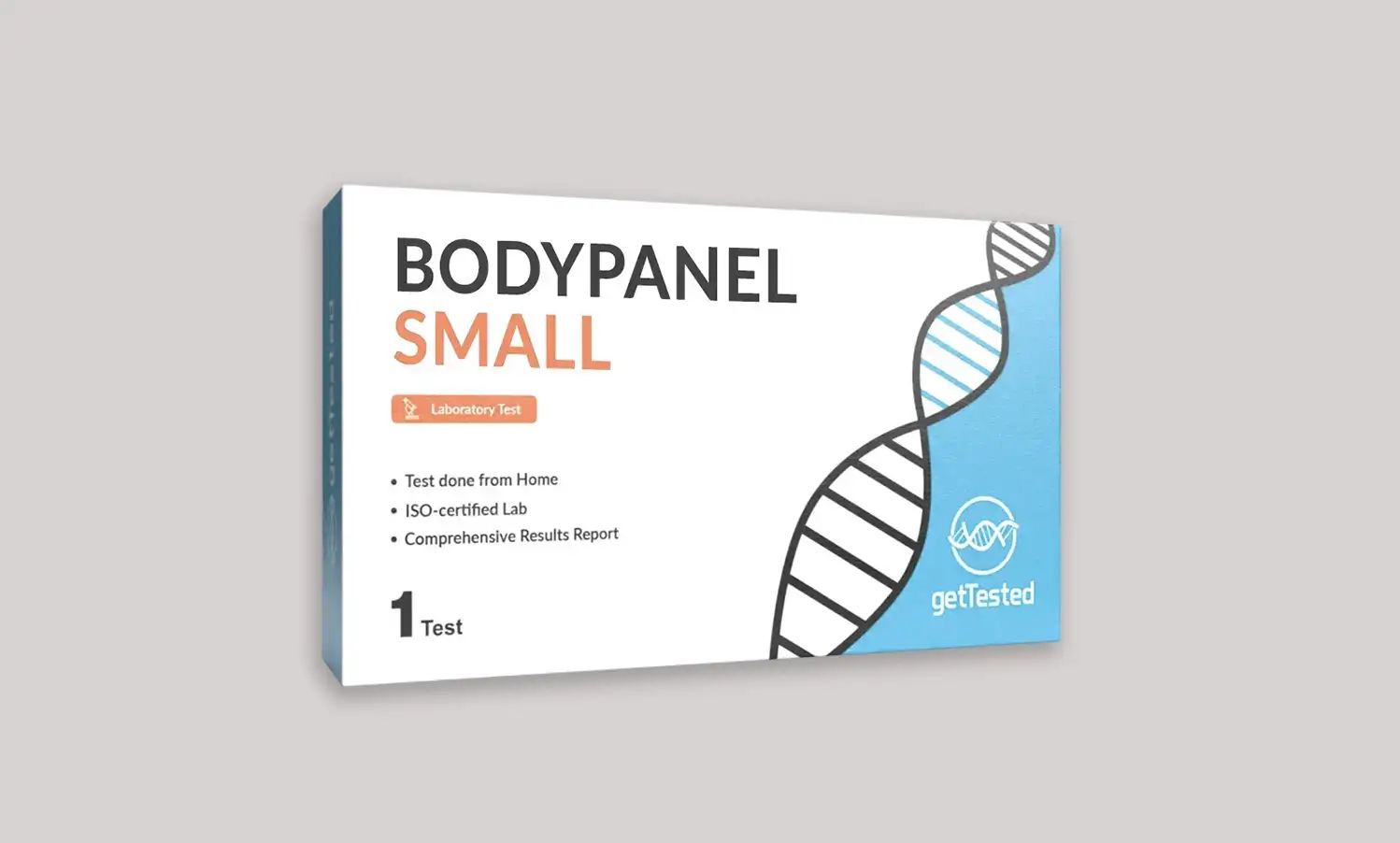
© getTested, cover image © Maria Lupan
In Your 20s: Establish Your Baseline with a Metabolic Panel
Best Test: BodyPanel Small – Health Test with 30 Key Biomarkers
The body’s metabolic systems are the foundation of long-term health. A base metabolic panel examines core functions that influence how energy is produced and used, how fluids and electrolytes are balanced and how key organs like the kidneys are performing. Measuring glucose, calcium, sodium and markers of kidney function provide a snapshot of your current metabolic health.
In your twenties subtle variations in glucose regulation or electrolyte balance may not yet cause symptoms but they begin to shape patterns you’ll carry forward. Early insight supports better choices for fuelling activity, supporting digestion and maintaining hormonal balance. This panel also provides a broad set of markers that act as your baseline for future tests.
Why it matters now: Metabolic shifts in early adulthood set the stage for resilience later. Knowing where you stand empowers decisions about nutrition, sleep and movement long before risk becomes disease.
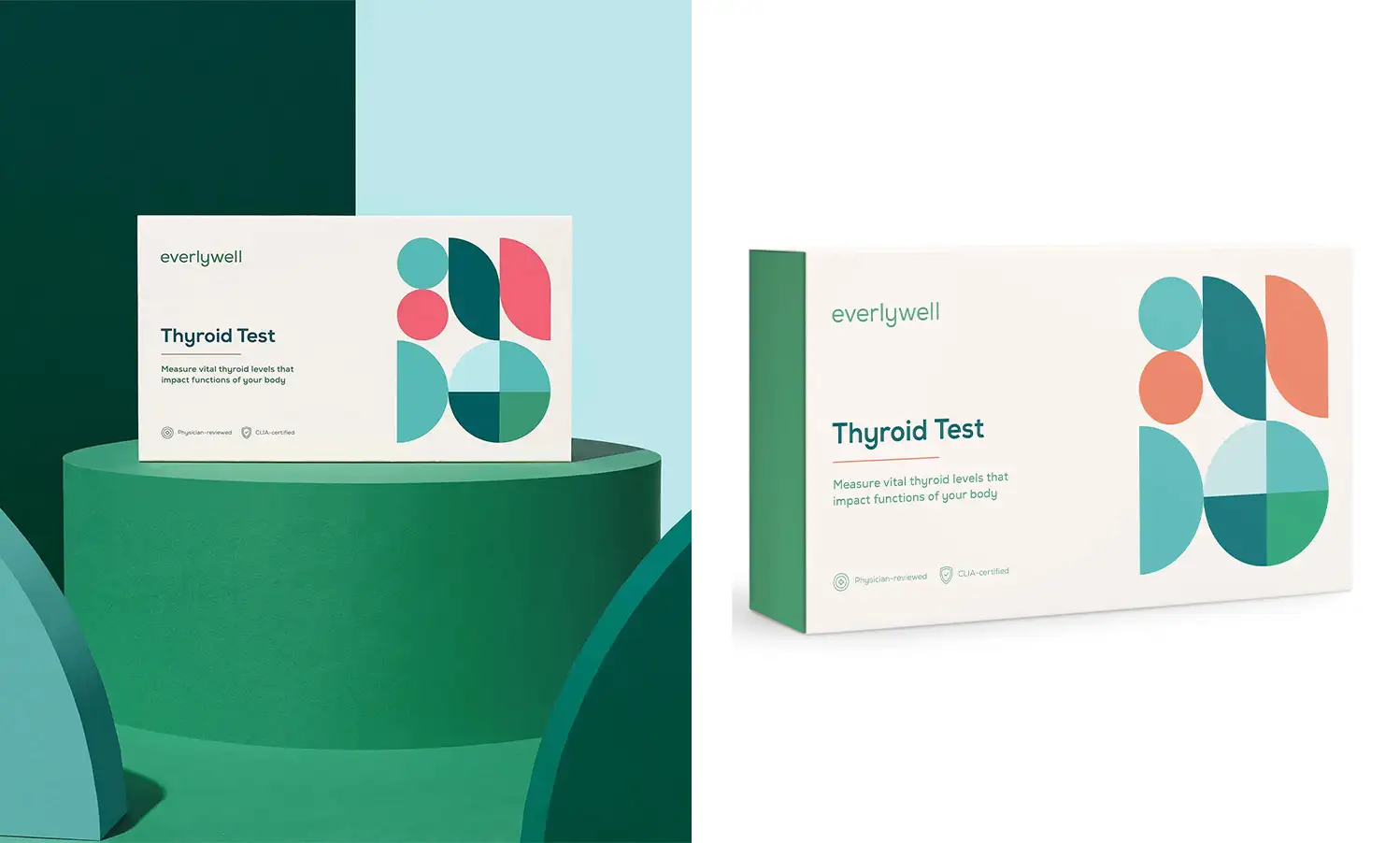
© Everlywell
In Your 30s: Understand Hormonal Regulation with Thyroid Function
Best Test: Everlywell Thyroid TSH test
The thyroid gland is a master regulator of metabolism, mood and energy. Learn more on hormonal regulation and women’s health. Thyroid stimulating hormone (TSH) reflects how hard your body must work to maintain balance. When TSH is elevated, it can signal under-function, often before fatigue, mood shifts or temperature sensitivity become obvious.
In your thirties lifestyle demands are high and symptoms like low energy or stress intolerance are easily attributed to life rather than physiology. Measuring TSH gives clarity about whether the thyroid is functioning effectively or needs closer evaluation with a clinician.
Why this test: It isolates a pivotal regulatory system that interacts with metabolic and reproductive hormones. When thyroid regulation shifts, everything else can feel harder.
Early detection supports timely nutritional or clinical support.
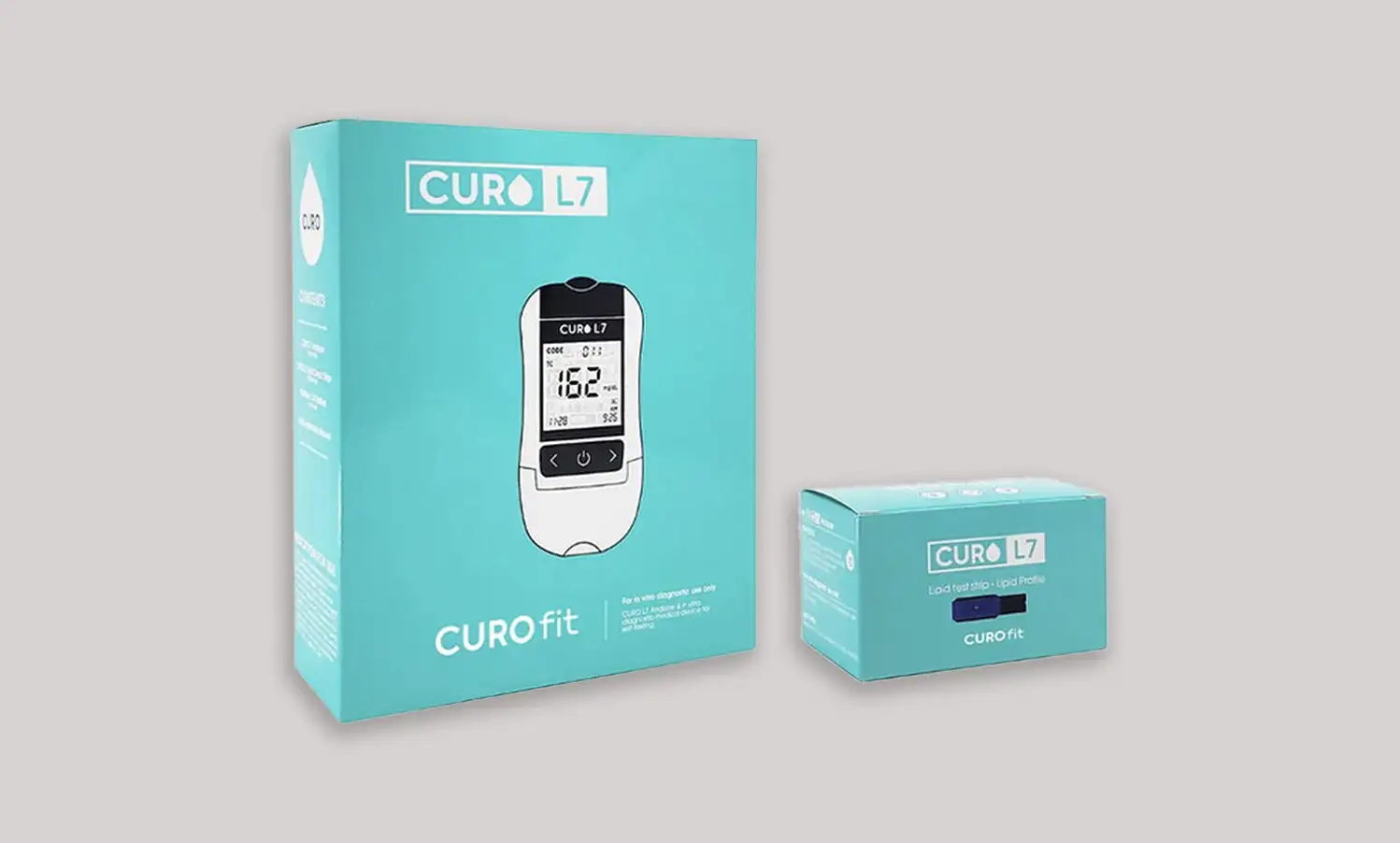
© CURO fit
In Your 40s: Track Cardiometabolic Risk
Best Test: Curo L7 Home Cholesterol and Lipid Self-Test Kit
Midlife is when cardiometabolic risk becomes more meaningful. That risk arises from subtle changes in how your body handles fats and sugars. This at-home kit measures cholesterol fractions alongside blood glucose – not as a snapshot but as a reflection of ongoing metabolic patterns.
For women the perimenopause transition often shifts lipid metabolism even when lifestyle remains steady. For men steady increases in blood glucose or LDL without symptoms are common. By this decade you benefit from understanding how your body is processing energy and moving it into or away from storage.
Why this test: Cholesterol and glucose are among the clearest early markers of metabolic risk. Identifying elevations before they harden into clinical disease allows you to adjust nutrition, movement and sleep patterns with intention.

© Viome
In Your 50s: Decode Biological Signals with the Gold Standard of Tests
Best Test: Viome Full Body Intelligence™ Test
Your fifties bring changes in digestion, inflammation and systemic resilience that are often felt before they are seen in standard labs. The Viome Full Body Intelligence Test goes beyond simple counts of microbes to measure how your gut, oral and cellular systems are functioning at a molecular level. This test uses advanced RNA analysis to reveal more than 50 scores that connect the microbiome with metabolism, inflammation, energy and even biological age. More on gut health and the microbiome.
The test includes personalized food and lifestyle recommendations tailored to your unique biology. It doesn’t just define patterns. It translates those patterns into actionable guidance you can use day to day.
Why this test: At this stage symptoms may feel disparate — bloating here, fatigue there. Functional insight into how your systems are interacting often reveals patterns standard biomarkers miss. Viome’s approach reflects how your body is behaving right now.

© Generation Lab
In Your 60s: Know Your Biological Age
Best Test: The SystemAge Test + Action Plan (Generation Lab)
Chronological age is only part of the story. How your organs and systems are aging at the molecular level is a deeper measure of long-term resilience. Read more on stem cells the hidden healer. The SystemAge Test quantifies your biological age across more than 19 organ systems using advanced epigenetic analysis.
This test goes beyond a single number. It shows where specific systems such as cardiovascular function, metabolic regulation or cognitive performance are aging faster or slower. It then translates this data into a personalized action plan so you can prioritize interventions that matter most.
Why this test: In later decades understanding biological age gives context to where energy, strength and resilience are concentrated or waning. It supports choices that preserve mobility and independence with clarity rather than guesswork.
By Maya Boyd
When assessing at-home health tests, four principles matter most:
1. Depth over simplicity
The most valuable tests move beyond a single score to reveal how specific systems in the body are functioning and where ageing may be accelerating or slowing.
2. Scientific lineage
Behind every serious test should be credible science. Learn more on the science of longevity Prioritise platforms built by established researchers, universities and laboratories with institutional depth, not branding alone.
3. Clear paths forward
Useful data points toward action. Strong tests translate results into guidance, helping prioritise what needs attention and what does not.
4. Ability to measure change
Health is dynamic. The best tools allow retesting so you can track whether interventions are genuinely shifting your biology.
Tested by the Aníma team, the following five at-home tests stand for their ability to offer clarity at each stage of adult life.
© getTested, cover image © Maria Lupan
In Your 20s: Establish Your Baseline with a Metabolic Panel
Best Test: BodyPanel Small – Health Test with 30 Key Biomarkers
The body’s metabolic systems are the foundation of long-term health. A base metabolic panel examines core functions that influence how energy is produced and used, how fluids and electrolytes are balanced and how key organs like the kidneys are performing. Measuring glucose, calcium, sodium and markers of kidney function provide a snapshot of your current metabolic health.
In your twenties subtle variations in glucose regulation or electrolyte balance may not yet cause symptoms but they begin to shape patterns you’ll carry forward. Early insight supports better choices for fuelling activity, supporting digestion and maintaining hormonal balance. This panel also provides a broad set of markers that act as your baseline for future tests.
Why it matters now: Metabolic shifts in early adulthood set the stage for resilience later. Knowing where you stand empowers decisions about nutrition, sleep and movement long before risk becomes disease.
© Everlywell
In Your 30s: Understand Hormonal Regulation with Thyroid Function
Best Test: Everlywell Thyroid TSH test
The thyroid gland is a master regulator of metabolism, mood and energy. Learn more on hormonal regulation and women’s health. Thyroid stimulating hormone (TSH) reflects how hard your body must work to maintain balance. When TSH is elevated, it can signal under-function, often before fatigue, mood shifts or temperature sensitivity become obvious.
In your thirties lifestyle demands are high and symptoms like low energy or stress intolerance are easily attributed to life rather than physiology. Measuring TSH gives clarity about whether the thyroid is functioning effectively or needs closer evaluation with a clinician.
Why this test: It isolates a pivotal regulatory system that interacts with metabolic and reproductive hormones. When thyroid regulation shifts, everything else can feel harder.
Early detection supports timely nutritional or clinical support.
© CURO fit
In Your 40s: Track Cardiometabolic Risk
Best Test: Curo L7 Home Cholesterol and Lipid Self-Test Kit
Midlife is when cardiometabolic risk becomes more meaningful. That risk arises from subtle changes in how your body handles fats and sugars. This at-home kit measures cholesterol fractions alongside blood glucose – not as a snapshot but as a reflection of ongoing metabolic patterns.
For women the perimenopause transition often shifts lipid metabolism even when lifestyle remains steady. For men steady increases in blood glucose or LDL without symptoms are common. By this decade you benefit from understanding how your body is processing energy and moving it into or away from storage.
Why this test: Cholesterol and glucose are among the clearest early markers of metabolic risk. Identifying elevations before they harden into clinical disease allows you to adjust nutrition, movement and sleep patterns with intention.
© Viome
In Your 50s: Decode Biological Signals with the Gold Standard of Tests
Best Test: Viome Full Body Intelligence™ Test
Your fifties bring changes in digestion, inflammation and systemic resilience that are often felt before they are seen in standard labs. The Viome Full Body Intelligence Test goes beyond simple counts of microbes to measure how your gut, oral and cellular systems are functioning at a molecular level. This test uses advanced RNA analysis to reveal more than 50 scores that connect the microbiome with metabolism, inflammation, energy and even biological age. More on gut health and the microbiome.
The test includes personalized food and lifestyle recommendations tailored to your unique biology. It doesn’t just define patterns. It translates those patterns into actionable guidance you can use day to day.
Why this test: At this stage symptoms may feel disparate — bloating here, fatigue there. Functional insight into how your systems are interacting often reveals patterns standard biomarkers miss. Viome’s approach reflects how your body is behaving right now.
© Generation Lab
In Your 60s: Know Your Biological Age
Best Test: The SystemAge Test + Action Plan (Generation Lab)
Chronological age is only part of the story. How your organs and systems are aging at the molecular level is a deeper measure of long-term resilience. Read more on stem cells the hidden healer. The SystemAge Test quantifies your biological age across more than 19 organ systems using advanced epigenetic analysis.
This test goes beyond a single number. It shows where specific systems such as cardiovascular function, metabolic regulation or cognitive performance are aging faster or slower. It then translates this data into a personalized action plan so you can prioritize interventions that matter most.
Why this test: In later decades understanding biological age gives context to where energy, strength and resilience are concentrated or waning. It supports choices that preserve mobility and independence with clarity rather than guesswork.
DON’T MISS