Kim Strother: The Way We Move Now
For years, women have been taught to move in pursuit of one thing: becoming smaller. Strength and longevity expert, Kim Strother, believes it's time for a different conversation. Ahead of her return to Alma Frequency in Sicily this September, she shares why strength has become one of the greatest predictors of healthy ageing, how more than two decades of coaching women shaped that philosophy, and why the real goal isn't to change our bodies, but to trust them again.
JOIN THE RITUAL. SIGN UP FOR EXCLUSIVE CONTENT, EXPERT INSIGHTS,
RITUALS, STORIES, NEW LAUNCHES & EXPERIENCES
by Maya Boyd
There is something strangely liberating happening in women’s health.
For decades, the conversation around movement barely changed. Every January we were encouraged to burn off Christmas. Every spring we were reminded that summer was coming. Exercise became synonymous with punishment, and the body became a project that constantly needed improving. Smaller was almost always considered better.
Lately, though, the language has begun to shift. Women are talking less about calorie deficits and more about bone density. Less about shrinking and more about strength. Muscle, once something many women actively tried to avoid, has quietly become one of the most important conversations in longevity science. Researchers now understand it not simply as something that helps us move, but as an active organ that influences metabolism, inflammation, cognitive health and healthy ageing. As the science evolves, strength has become about far more than aesthetics. It has become one of the greatest predictors of how well we age.
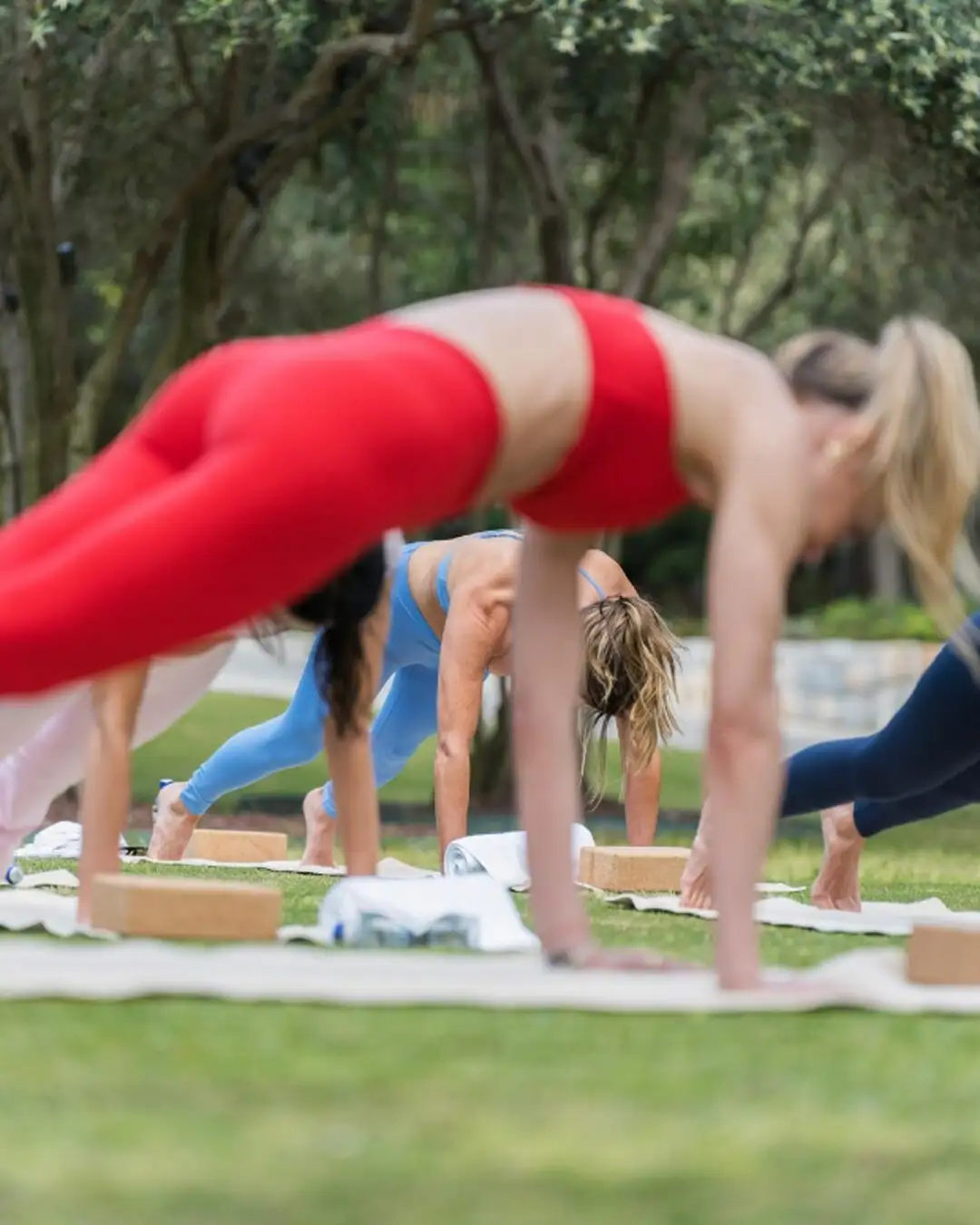
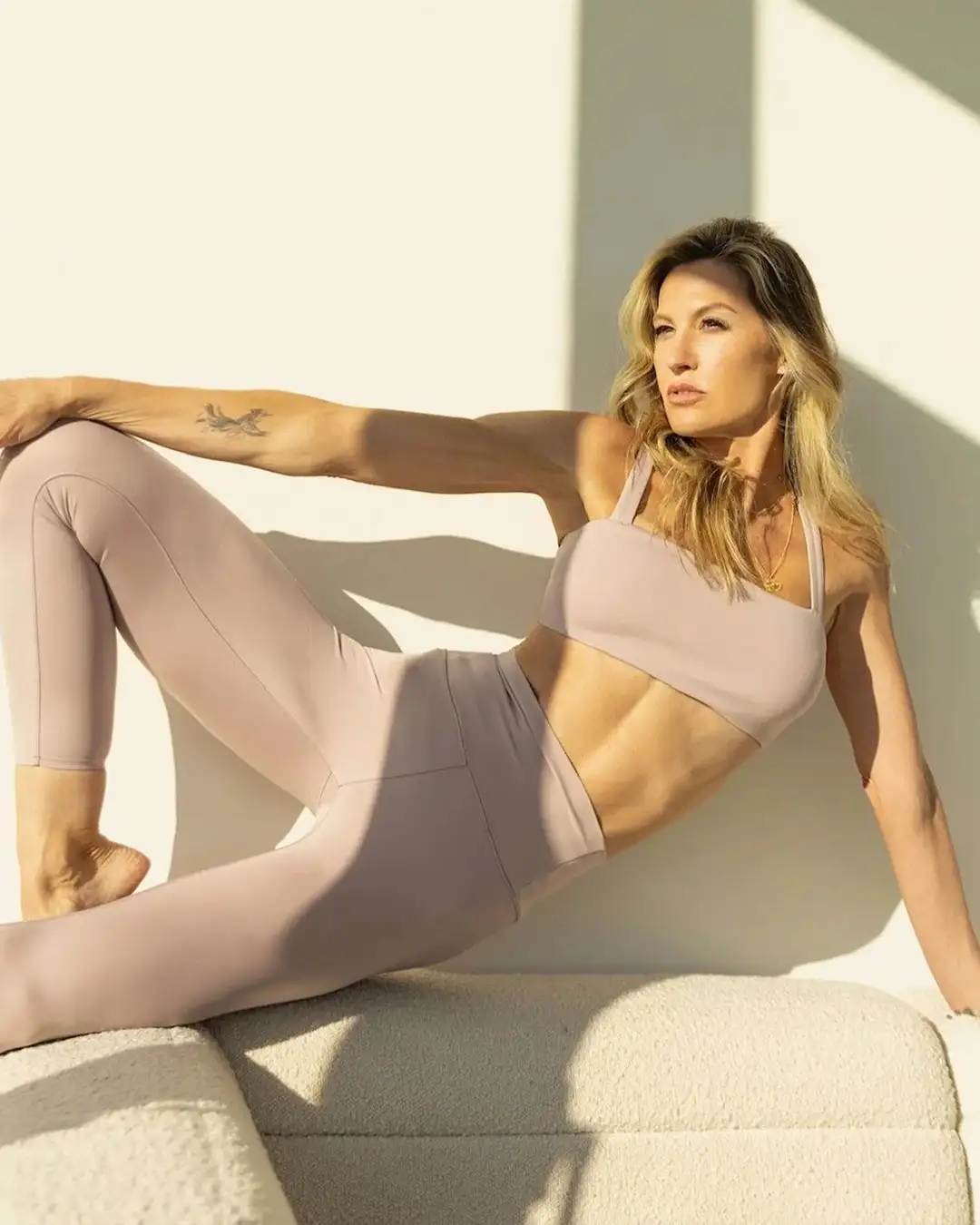
Few people have done more to champion that shift than Kim Strother. Based in New York, Strother is a strength and longevity expert, certified personal trainer, yoga instructor and health coach whose work has spent more than two decades helping women build strength from the inside out. A featured instructor on the Melissa Wood Health platform, she has led retreats and workshops everywhere from Six Senses to Summit Series, combining functional movement, nutrition, mindfulness and nervous system regulation into an approach that feels both deeply intuitive and firmly grounded in science. This September, she’ll bring that philosophy back to Alma Frequency Festival in Sicily, where movement is woven into a broader conversation around longevity, connection and living well.
Spend even a few minutes with Strother and it’s obvious that she isn’t interested in chasing trends. Ask her about movement and she doesn’t launch into the latest workout or explain how many sessions a week everyone should be doing. Instead, she talks about building a body that will support you for life, a philosophy shaped by more than twenty years spent coaching women through every stage of adulthood.
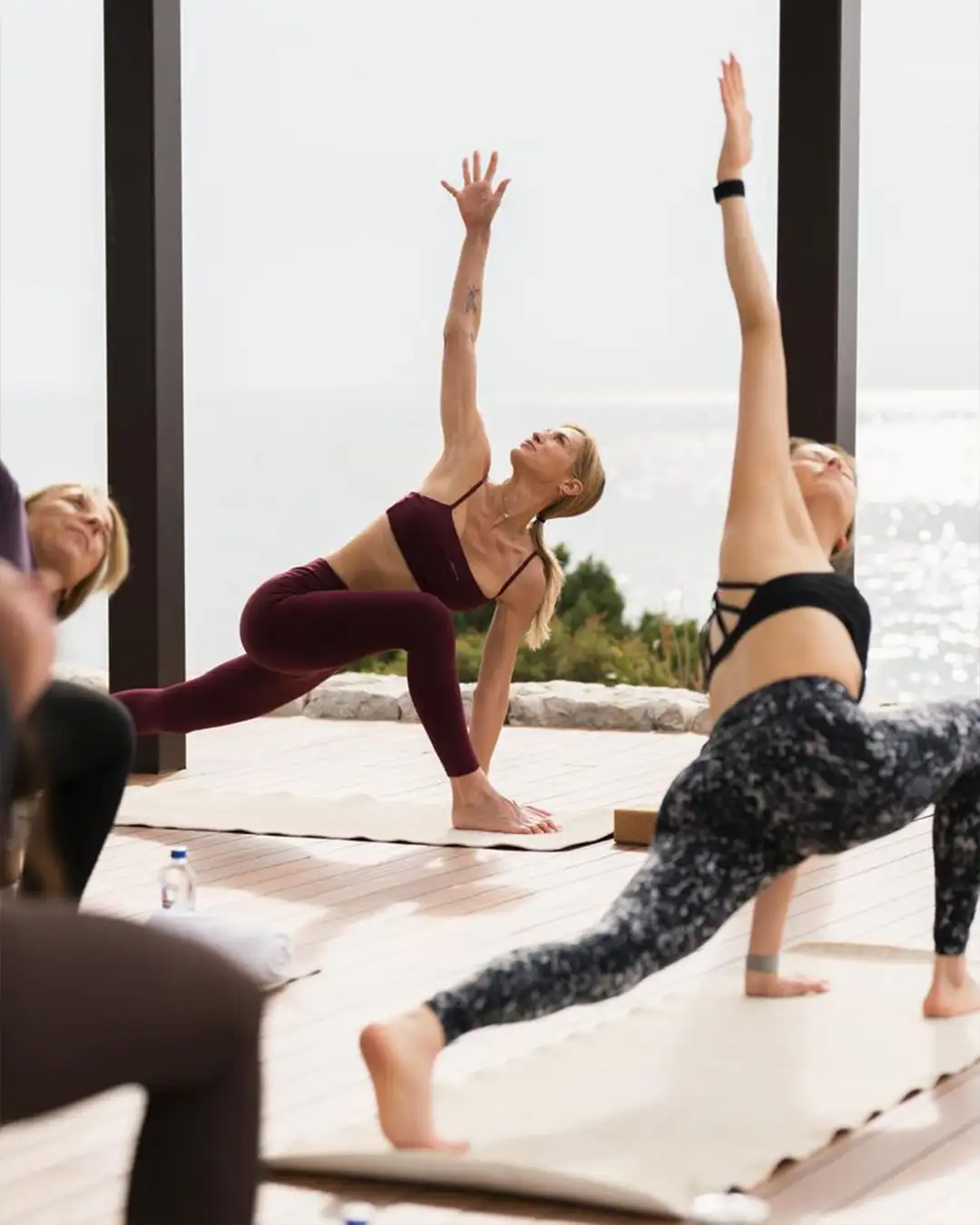
More than twelve years ago, a diagnosis of Lyme disease forced her to rethink her relationship with health, refining rather than reinventing the approach she’d already spent years building. Recovery wasn’t about pushing harder or training through exhaustion. It demanded patience, curiosity and a willingness to listen to her body in an entirely different way. After sixteen years as a vegetarian, she shifted towards a more anti-inflammatory paleo approach, focusing on nourishing herself while slowly rebuilding the lean muscle illness had taken away.
“My wellness journey took a dramatic turn about twelve years ago, when I was diagnosed with Lyme disease,” she says. “That choice helped me feel better in my body and allowed me to rebuild lean muscle, which is especially important for women as we age.”
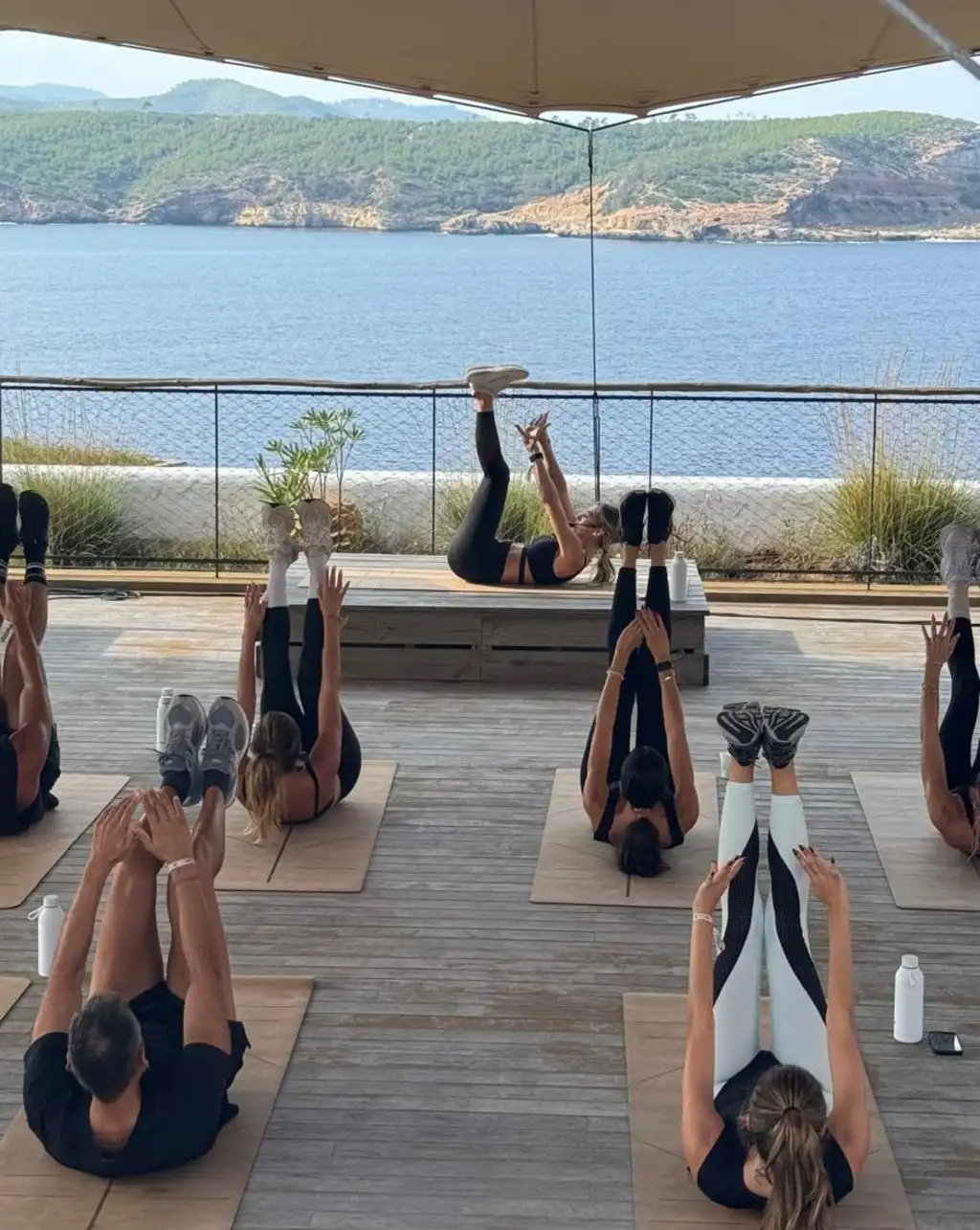
It’s an interesting choice of words. She doesn’t talk about bouncing back. She talks about rebuilding. There is a quiet acceptance in that, one that feels increasingly refreshing in a culture obsessed with dramatic transformations. Healing, she realised, wasn’t about forcing her body to perform. It was about giving it the conditions it needed to recover.
That lesson now underpins everything she teaches.
Strength training sits at the foundation of Strother’s philosophy, Where Real Strength Begins. although not for the reasons fitness culture traditionally celebrated it. For years women were encouraged to spend endless hours on cardio machines while avoiding heavy weights for fear of becoming “too bulky”. Modern research has turned that thinking on its head. Maintaining muscle has emerged as one of the most effective ways to support bone density, metabolic health, insulin sensitivity and mobility as we age, particularly during the hormonal changes of midlife.
Strother remarks there’s no single right way to move, but when it comes to strength training, she’s clear on its value: it’s beneficial for women’s longevity, and one of the best investments a woman can make for healthy ageing. She encourages women to use heavier weights, not to push beyond their limits, but to give their muscles the resistance they need to stay strong.
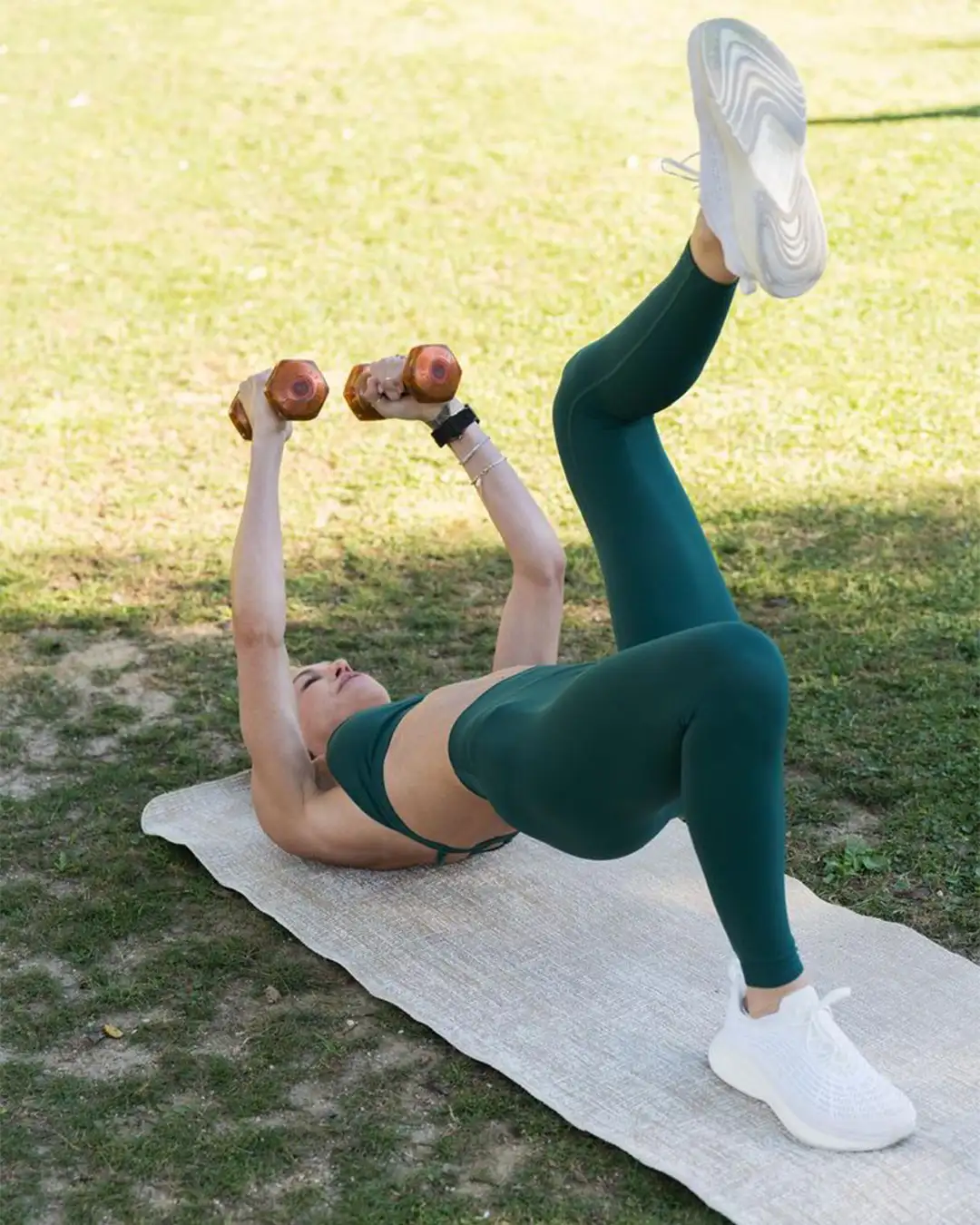
There is a world of difference between lifting weights because you dislike your body and lifting them because you want that body to carry you confidently through the decades ahead. One comes from criticism. The other comes from care.
Perhaps that’s why Strother’s philosophy feels so relatable. She isn’t interested in prescribing one perfect way to move. Instead, she encourages women to find movement they genuinely enjoy because, ultimately, that’s the movement they’ll sustain.
“If Pilates or boxing lights you up, do that,” she says.
“Movement should be a joy, not a punishment. My philosophy is simple: move in ways that make you feel good and do it often.”
It’s a deceptively simple idea. We’ve become so conditioned to believe exercise has to leave us exhausted to be worthwhile that we’ve forgotten consistency almost always beats intensity. Whether it’s lifting weights, hiking, swimming, dancing or simply walking every day, the body responds to movement it receives regularly.
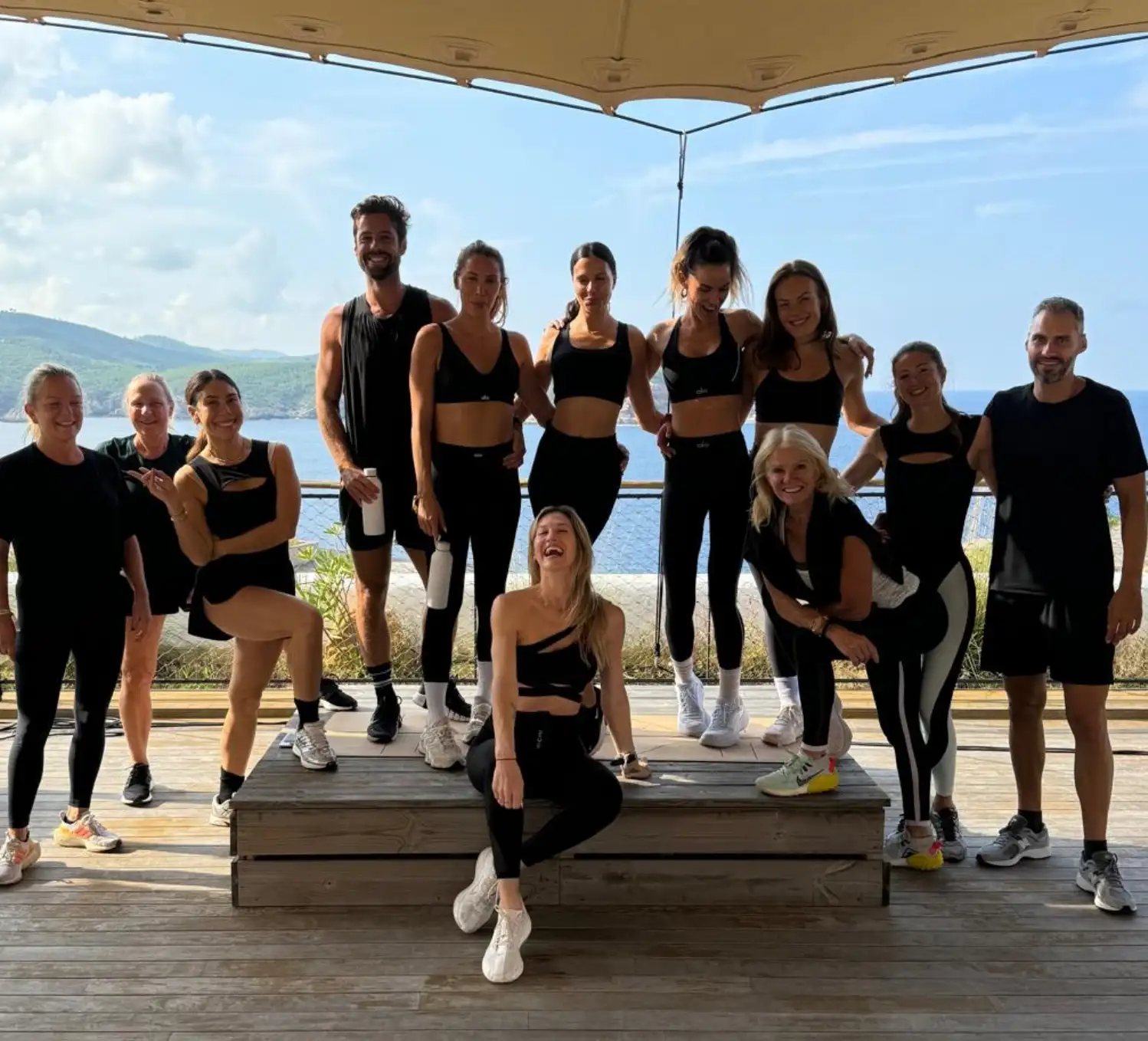
Listening to Strother, it’s also impossible to separate exercise from everything else that shapes wellbeing.
“True wellness has never been just about exercise or diet,” she says.
“It’s about the whole picture, our mental state, our environment, the energy we allow in. I ask myself daily: how am I speaking to myself? Who am I surrounding myself with? What am I consuming, whether that’s food, media or energy?”
It’s a perspective that feels increasingly relevant at a time when many of us spend entire days sitting, scrolling and living almost exclusively in our heads. An hour in the gym can’t undo chronic stress, poor sleep or relentless self-criticism. Strother sees movement as one thread within a much bigger tapestry that includes nourishing food, restorative sleep, meaningful connection and moments of stillness.
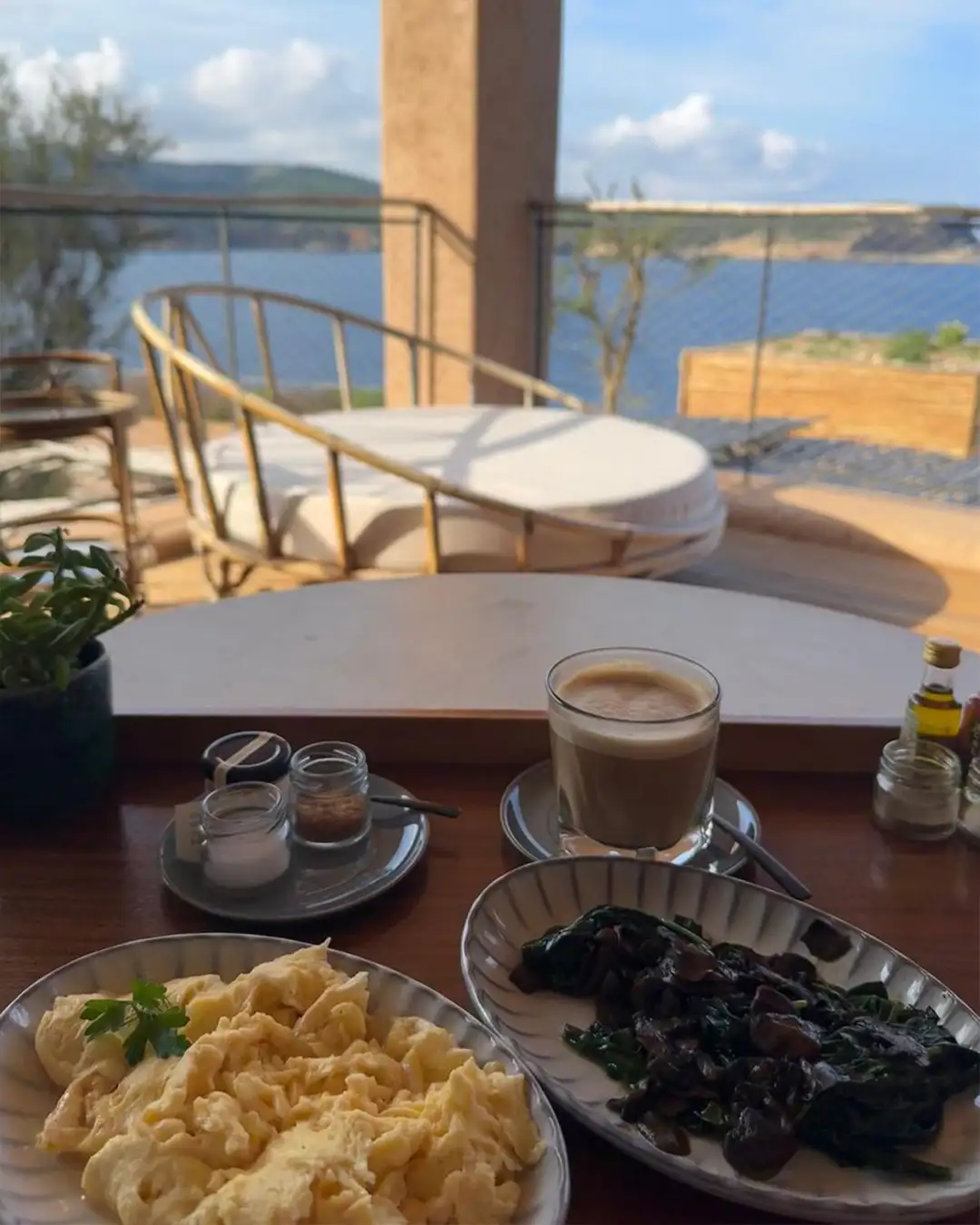
“Meditation has become one of my greatest anchors,” she says.
“Even five minutes of stillness, breathing deeply, turning inward, repeating affirmations, shifts everything. Some of my favourites are simple but powerful: I am grateful. I am healthy. I am abundant.”
Nature plays an equally important role.
“What grounds me is nature, walking barefoot on the earth, breathing deeply, reconnecting with myself in silence.”
It’s easy to see why her philosophy resonates so naturally with Alma Frequency. Set against the landscapes of Sicily, movement extends far beyond the studio. It happens on coastal walks, in morning swims, over long communal lunches and beneath open skies. It becomes less about exercise as a task and more about inhabiting the body with presence and gratitude, something Strother understands perhaps better than most after illness taught her never to take health for granted.
For so long we’ve asked movement to change the way we look. Kim Strother asks something different of it. She asks whether it can help us feel stronger, think more clearly and move through life with greater confidence and resilience. It’s a subtle shift, but one that has the power to transform not only our bodies, but our relationship with them.
And perhaps that’s the way we move now.

by Maya Boyd
There is something strangely liberating happening in women’s health.
For decades, the conversation around movement barely changed. Every January we were encouraged to burn off Christmas. Every spring we were reminded that summer was coming. Exercise became synonymous with punishment, and the body became a project that constantly needed improving. Smaller was almost always considered better.
Lately, though, the language has begun to shift. Women are talking less about calorie deficits and more about bone density. Less about shrinking and more about strength. Muscle, once something many women actively tried to avoid, has quietly become one of the most important conversations in longevity science. Researchers now understand it not simply as something that helps us move, but as an active organ that influences metabolism, inflammation, cognitive health and healthy ageing. As the science evolves, strength has become about far more than aesthetics. It has become one of the greatest predictors of how well we age.
Few people have done more to champion that shift than Kim Strother. Based in New York, Strother is a strength and longevity expert, certified personal trainer, yoga instructor and health coach whose work has spent more than two decades helping women build strength from the inside out. A featured instructor on the Melissa Wood Health platform, she has led retreats and workshops everywhere from Six Senses to Summit Series, combining functional movement, nutrition, mindfulness and nervous system regulation into an approach that feels both deeply intuitive and firmly grounded in science. This September, she’ll bring that philosophy back to Alma Frequency Festival in Sicily, where movement is woven into a broader conversation around longevity, connection and living well.
Spend even a few minutes with Strother and it’s obvious that she isn’t interested in chasing trends. Ask her about movement and she doesn’t launch into the latest workout or explain how many sessions a week everyone should be doing. Instead, she talks about building a body that will support you for life, a philosophy shaped by more than twenty years spent coaching women through every stage of adulthood.
More than twelve years ago, a diagnosis of Lyme disease forced her to rethink her relationship with health, refining rather than reinventing the approach she’d already spent years building. Recovery wasn’t about pushing harder or training through exhaustion. It demanded patience, curiosity and a willingness to listen to her body in an entirely different way. After sixteen years as a vegetarian, she shifted towards a more anti-inflammatory paleo approach, focusing on nourishing herself while slowly rebuilding the lean muscle illness had taken away.
“My wellness journey took a dramatic turn about twelve years ago, when I was diagnosed with Lyme disease,” she says. “That choice helped me feel better in my body and allowed me to rebuild lean muscle, which is especially important for women as we age.”
It’s an interesting choice of words. She doesn’t talk about bouncing back. She talks about rebuilding. There is a quiet acceptance in that, one that feels increasingly refreshing in a culture obsessed with dramatic transformations. Healing, she realised, wasn’t about forcing her body to perform. It was about giving it the conditions it needed to recover.
That lesson now underpins everything she teaches.
Strength training sits at the foundation of Strother’s philosophy, Where Real Strength Begins. although not for the reasons fitness culture traditionally celebrated it. For years women were encouraged to spend endless hours on cardio machines while avoiding heavy weights for fear of becoming “too bulky”. Modern research has turned that thinking on its head. Maintaining muscle has emerged as one of the most effective ways to support bone density, metabolic health, insulin sensitivity and mobility as we age, particularly during the hormonal changes of midlife.
Strother remarks there’s no single right way to move, but when it comes to strength training, she’s clear on its value: it’s beneficial for women’s longevity, and one of the best investments a woman can make for healthy ageing. She encourages women to use heavier weights, not to push beyond their limits, but to give their muscles the resistance they need to stay strong.
There is a world of difference between lifting weights because you dislike your body and lifting them because you want that body to carry you confidently through the decades ahead. One comes from criticism. The other comes from care.
Perhaps that’s why Strother’s philosophy feels so relatable. She isn’t interested in prescribing one perfect way to move. Instead, she encourages women to find movement they genuinely enjoy because, ultimately, that’s the movement they’ll sustain.
“If Pilates or boxing lights you up, do that,” she says.
“Movement should be a joy, not a punishment. My philosophy is simple: move in ways that make you feel good and do it often.”
It’s a deceptively simple idea. We’ve become so conditioned to believe exercise has to leave us exhausted to be worthwhile that we’ve forgotten consistency almost always beats intensity. Whether it’s lifting weights, hiking, swimming, dancing or simply walking every day, the body responds to movement it receives regularly.
Listening to Strother, it’s also impossible to separate exercise from everything else that shapes wellbeing.
“True wellness has never been just about exercise or diet,” she says.
“It’s about the whole picture, our mental state, our environment, the energy we allow in. I ask myself daily: how am I speaking to myself? Who am I surrounding myself with? What am I consuming, whether that’s food, media or energy?”
It’s a perspective that feels increasingly relevant at a time when many of us spend entire days sitting, scrolling and living almost exclusively in our heads. An hour in the gym can’t undo chronic stress, poor sleep or relentless self-criticism. Strother sees movement as one thread within a much bigger tapestry that includes nourishing food, restorative sleep, meaningful connection and moments of stillness.
“Meditation has become one of my greatest anchors,” she says.
“Even five minutes of stillness, breathing deeply, turning inward, repeating affirmations, shifts everything. Some of my favourites are simple but powerful: I am grateful. I am healthy. I am abundant.”
Nature plays an equally important role.
“What grounds me is nature, walking barefoot on the earth, breathing deeply, reconnecting with myself in silence.”
It’s easy to see why her philosophy resonates so naturally with Alma Frequency. Set against the landscapes of Sicily, movement extends far beyond the studio. It happens on coastal walks, in morning swims, over long communal lunches and beneath open skies. It becomes less about exercise as a task and more about inhabiting the body with presence and gratitude, something Strother understands perhaps better than most after illness taught her never to take health for granted.
For so long we’ve asked movement to change the way we look. Kim Strother asks something different of it. She asks whether it can help us feel stronger, think more clearly and move through life with greater confidence and resilience. It’s a subtle shift, but one that has the power to transform not only our bodies, but our relationship with them.
And perhaps that’s the way we move now.
DON’T MISS