
Why Sea Swimming Might Be the Best Thing You Can Do for Your Nervous System
There is a reason so many people instinctively head for the sea when life feels overwhelming. Not because salt water is a cure-all, or because cold-water swimming has become the latest wellness obsession, but because the ocean demands something increasingly rare: complete attention.
JOIN THE RITUAL. SIGN UP FOR EXCLUSIVE CONTENT, EXPERT INSIGHTS,
RITUALS, STORIES, NEW LAUNCHES & EXPERIENCES

by Maya Boyd
The moment the water reaches the chest, the mind has little choice but to stop replaying yesterday’s conversation or worrying about tomorrow’s to-do list. Breathing becomes the only priority. That shift isn’t just psychological. A growing body of research suggests that swimming in the sea can have measurable effects on the nervous system, mood and resilience. Some of the benefits come from cold-water immersion, others from exercise, sunlight and time spent in nature. Some remain harder to quantify, yet are recognised by almost anyone who has walked back onto the beach feeling noticeably lighter than when they went in.

Cold water teaches the body to recover
The first few seconds in cold water are a shock. Heart rate rises, breathing quickens and the body’s stress response switches on almost instantly.
What happens next is where things become interesting.
Rather than panicking, experienced swimmers learn to slow the breath, relax the shoulders and allow the body to adapt. As breathing steadies, the parasympathetic nervous system, often called the “rest and digest” branch, begins to reassert itself.
Professor Mike Tipton MBE, a physiologist at the University of Portsmouth in the UK and one of the world’s leading authorities on human responses to extreme environments, has spent more than three decades researching the effects of cold-water immersion. His work suggests that repeated, safe exposure to cold water may help the body become more resilient to stress by improving the way it responds to challenging situations. In simple terms, the nervous system practises recovering.
For many people living with permanently elevated stress levels, that may be just as valuable as the swim itself.
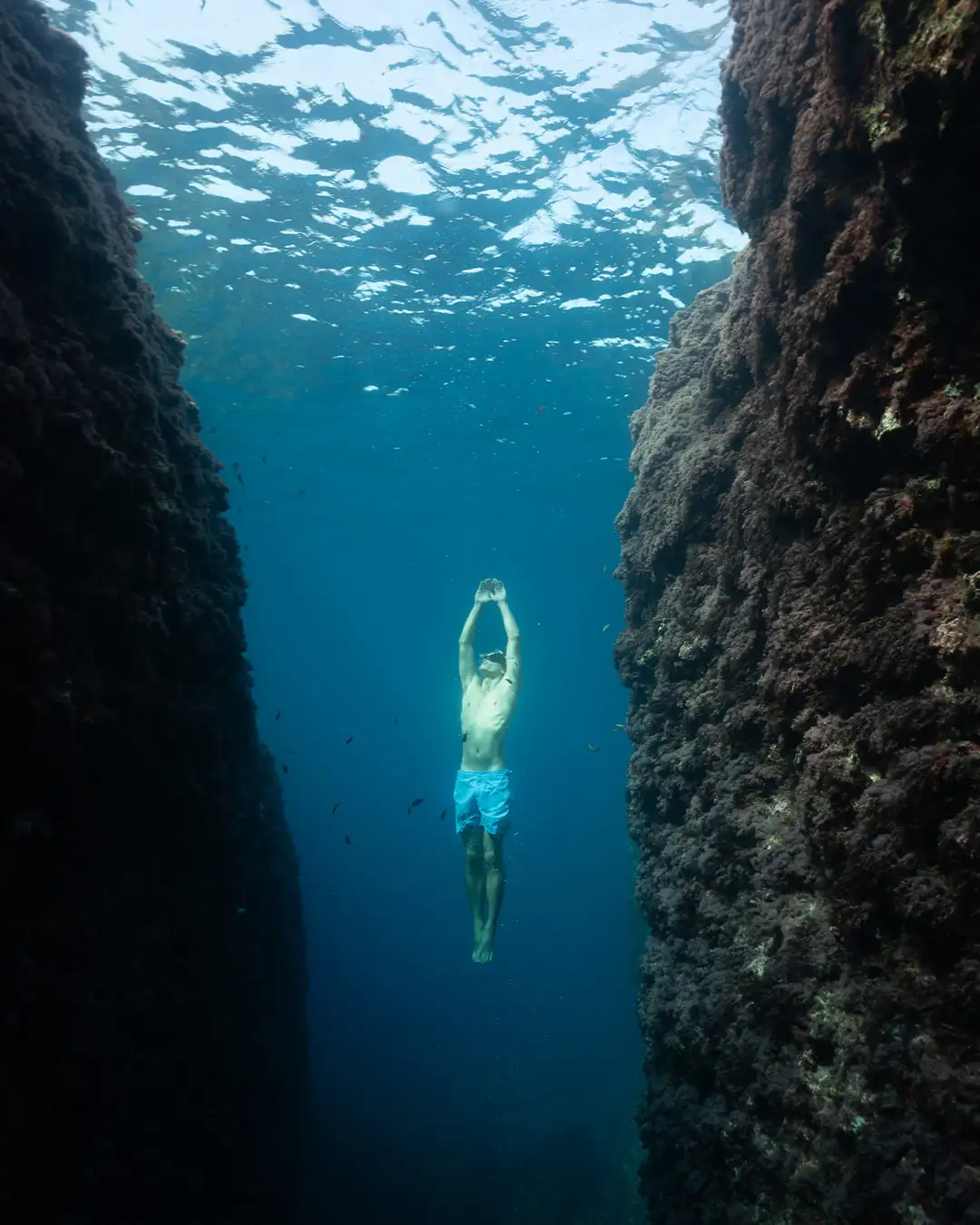
The sea gives the brain somewhere else to be
Psychologists increasingly talk about “blue spaces”, oceans, lakes, rivers and coastlines, and the measurable effect they can have on mental wellbeing.
Much of the pioneering research has come from Professor Mathew White, an environmental psychologist now based at the University of Vienna, who previously spent many years at the University of Exeter in the UK helping lead internationally recognised research into the health benefits of coastal environments. His studies have consistently found that people who spend time near the coast report higher levels of wellbeing and lower levels of psychological distress than those who don’t.
Part of that may simply be because the sea captures attention in a different way.
The shifting horizon, the sound of waves and the rhythm of swimming are fascinating enough to hold the mind without overwhelming it. Unlike a phone screen, they don’t ask for decisions or reactions. They simply invite observation.
Dr Wallace J. Nichols, an American marine biologist and author of the bestselling book Blue Mind, believes our brains are uniquely wired to respond to water. Drawing on neuroscience, psychology and marine biology, he argues that being in, on or near water encourages a gently meditative state, helping quieten mental chatter and restore cognitive balance.
For anyone whose mind feels permanently switched on, that can be profoundly restorative.
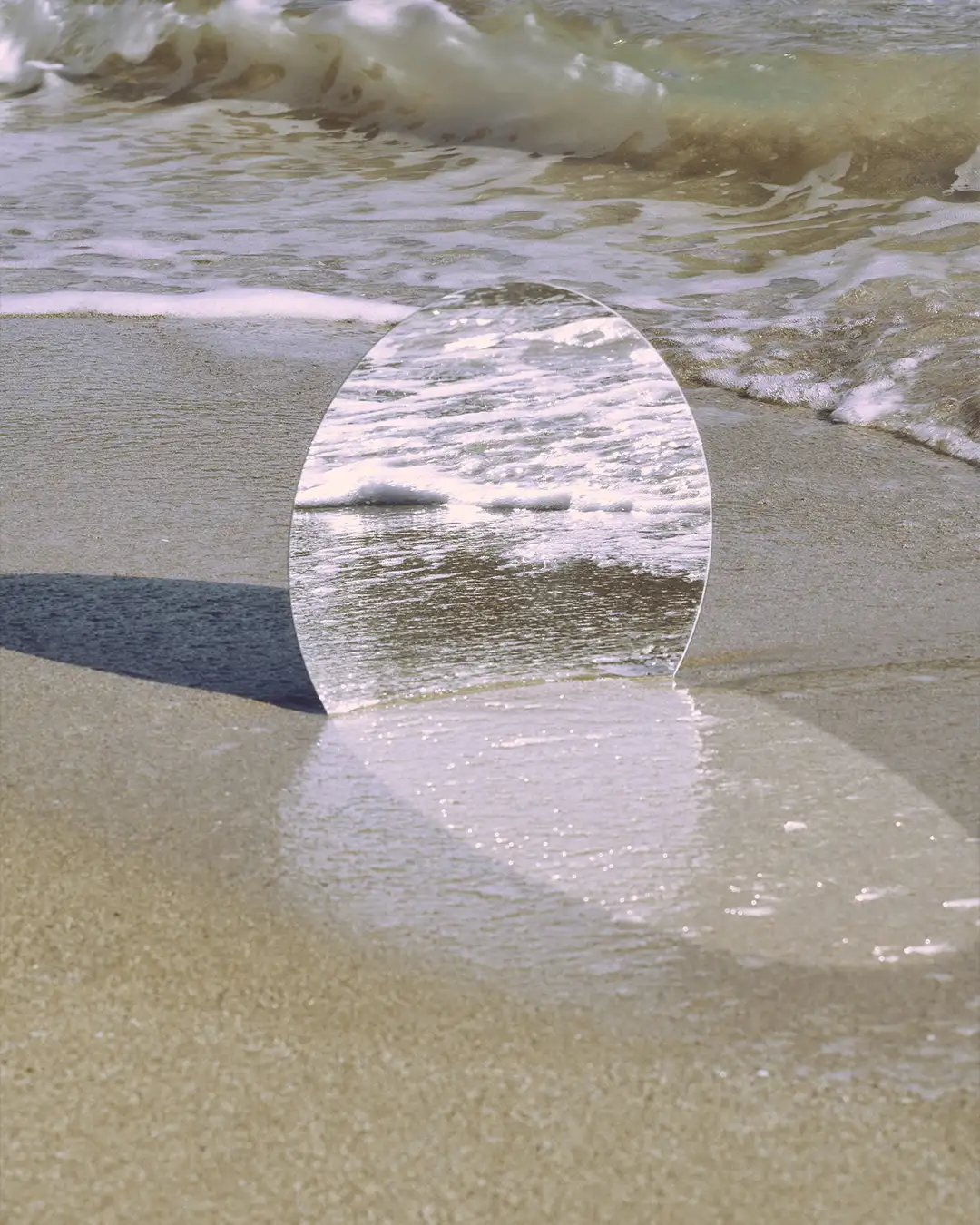
Weightlessness is medicine in its own right
Modern bodies spend most of their lives resisting gravity.
Standing, driving, working at desks, carrying children, lifting shopping and exercising all require constant muscular effort. Water changes that relationship entirely.
Buoyancy reduces the load on joints, supports muscles and creates a sensation that is difficult to recreate anywhere else. Floating requires very little. For a few minutes, the body stops bracing.
Many physiotherapists use water-based rehabilitation because movement becomes easier, less painful and more fluid. That same sense of physical ease often translates psychologically. It is difficult to feel relentlessly tense when every muscle has permission to soften.

Why do people feel so replenished afterwards?
Spend enough time among regular sea swimmers and one phrase comes up repeatedly: I always feel recharged.
Part of that feeling is easy to explain. Exercise releases endorphins. Natural daylight helps regulate circadian rhythms. Gentle movement improves circulation. Cold water may also stimulate the release of neurotransmitters such as noradrenaline, which plays an important role in alertness, attention and mood. Other explanations, however, sit somewhere between tradition and emerging science.
Seawater contains magnesium, calcium, potassium and dozens of trace minerals. Within many coastal cultures and wellness traditions, swimming in the sea is believed to have a remineralising effect, leaving both body and mind feeling restored. Many swimmers describe an unmistakable sense of feeling replenished after time in the ocean. Whether that comes from the minerals themselves, the sensory experience of salt water, or the combined effects of immersion, movement, fresh air and nature remains an open question.
Science does not yet have an explanation for every aspect of why people feel so much better after a swim, but that doesn’t make the experience any less real.

More than exercise
Perhaps that’s why sea swimming has never really gone out of fashion. Long before anyone was measuring cortisol, vagal tone or heart-rate variability, people were turning to the ocean because they knew, instinctively, that they felt better afterwards.
Not every benefit can be captured in a clinical trial. The science explains a great deal: how cold water influences the nervous system, how blue spaces support mental wellbeing, and how movement, daylight and social connection all contribute to better health. But it does not quite capture the quiet shift that so many swimmers describe after even twenty minutes in the sea. The internal noise softens. Thoughts become less urgent. Breathing slows.
In a world that rarely stops asking for more attention, more decisions and more stimulation, the sea offers something increasingly valuable. For a brief time, there is nothing to optimise or achieve. Just the simple rhythm of swimming, breathing and allowing the nervous system to remember what calm feels like.

by Maya Boyd
The moment the water reaches the chest, the mind has little choice but to stop replaying yesterday’s conversation or worrying about tomorrow’s to-do list. Breathing becomes the only priority. That shift isn’t just psychological. A growing body of research suggests that swimming in the sea can have measurable effects on the nervous system, mood and resilience. Some of the benefits come from cold-water immersion, others from exercise, sunlight and time spent in nature. Some remain harder to quantify, yet are recognised by almost anyone who has walked back onto the beach feeling noticeably lighter than when they went in.
Cold water teaches the body to recover
The first few seconds in cold water are a shock. Heart rate rises, breathing quickens and the body’s stress response switches on almost instantly.
What happens next is where things become interesting.
Rather than panicking, experienced swimmers learn to slow the breath, relax the shoulders and allow the body to adapt. As breathing steadies, the parasympathetic nervous system, often called the “rest and digest” branch, begins to reassert itself.
Professor Mike Tipton MBE, a physiologist at the University of Portsmouth in the UK and one of the world’s leading authorities on human responses to extreme environments, has spent more than three decades researching the effects of cold-water immersion. His work suggests that repeated, safe exposure to cold water may help the body become more resilient to stress by improving the way it responds to challenging situations. In simple terms, the nervous system practises recovering.
For many people living with permanently elevated stress levels, that may be just as valuable as the swim itself.
The sea gives the brain somewhere else to be
Psychologists increasingly talk about “blue spaces”, oceans, lakes, rivers and coastlines, and the measurable effect they can have on mental wellbeing.
Much of the pioneering research has come from Professor Mathew White, an environmental psychologist now based at the University of Vienna, who previously spent many years at the University of Exeter in the UK helping lead internationally recognised research into the health benefits of coastal environments. His studies have consistently found that people who spend time near the coast report higher levels of wellbeing and lower levels of psychological distress than those who don’t.
Part of that may simply be because the sea captures attention in a different way.
The shifting horizon, the sound of waves and the rhythm of swimming are fascinating enough to hold the mind without overwhelming it. Unlike a phone screen, they don’t ask for decisions or reactions. They simply invite observation.
Dr Wallace J. Nichols, an American marine biologist and author of the bestselling book Blue Mind, believes our brains are uniquely wired to respond to water. Drawing on neuroscience, psychology and marine biology, he argues that being in, on or near water encourages a gently meditative state, helping quieten mental chatter and restore cognitive balance.
For anyone whose mind feels permanently switched on, that can be profoundly restorative.
Weightlessness is medicine in its own right
Modern bodies spend most of their lives resisting gravity.
Standing, driving, working at desks, carrying children, lifting shopping and exercising all require constant muscular effort. Water changes that relationship entirely.
Buoyancy reduces the load on joints, supports muscles and creates a sensation that is difficult to recreate anywhere else. Floating requires very little. For a few minutes, the body stops bracing.
Many physiotherapists use water-based rehabilitation because movement becomes easier, less painful and more fluid. That same sense of physical ease often translates psychologically. It is difficult to feel relentlessly tense when every muscle has permission to soften.
Why do people feel so replenished afterwards?
Spend enough time among regular sea swimmers and one phrase comes up repeatedly: I always feel recharged.
Part of that feeling is easy to explain. Exercise releases endorphins. Natural daylight helps regulate circadian rhythms. Gentle movement improves circulation. Cold water may also stimulate the release of neurotransmitters such as noradrenaline, which plays an important role in alertness, attention and mood. Other explanations, however, sit somewhere between tradition and emerging science.
Seawater contains magnesium, calcium, potassium and dozens of trace minerals. Within many coastal cultures and wellness traditions, swimming in the sea is believed to have a remineralising effect, leaving both body and mind feeling restored. Many swimmers describe an unmistakable sense of feeling replenished after time in the ocean. Whether that comes from the minerals themselves, the sensory experience of salt water, or the combined effects of immersion, movement, fresh air and nature remains an open question.
Science does not yet have an explanation for every aspect of why people feel so much better after a swim, but that doesn’t make the experience any less real.
More than exercise
Perhaps that’s why sea swimming has never really gone out of fashion. Long before anyone was measuring cortisol, vagal tone or heart-rate variability, people were turning to the ocean because they knew, instinctively, that they felt better afterwards.
Not every benefit can be captured in a clinical trial. The science explains a great deal: how cold water influences the nervous system, how blue spaces support mental wellbeing, and how movement, daylight and social connection all contribute to better health. But it does not quite capture the quiet shift that so many swimmers describe after even twenty minutes in the sea. The internal noise softens. Thoughts become less urgent. Breathing slows.
In a world that rarely stops asking for more attention, more decisions and more stimulation, the sea offers something increasingly valuable. For a brief time, there is nothing to optimise or achieve. Just the simple rhythm of swimming, breathing and allowing the nervous system to remember what calm feels like.
DON’T MISS