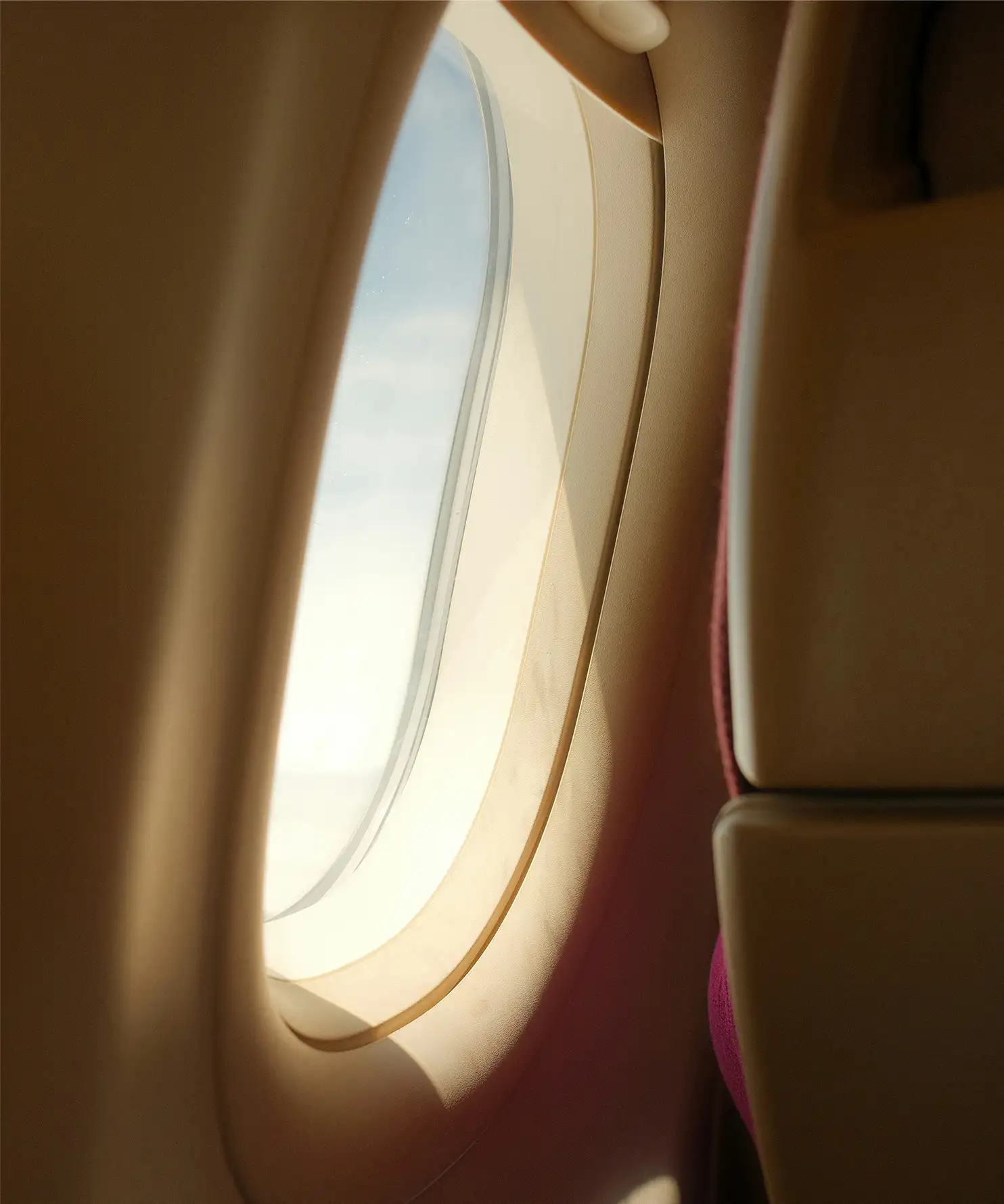
Neuro-Architecture: Exploring Light and Art as Environment
Wellness design is becoming more disciplined. After years of emphasis on treatments and add-ons, infrared rooms, red light panels, short-form interventions, attention is shifting toward the environments themselves. Not what happens to the body for twenty minutes, but what the body is exposed to across the day.
JOIN THE RITUAL. SIGN UP FOR EXCLUSIVE CONTENT, EXPERT INSIGHTS,
RITUALS, STORIES, NEW LAUNCHES & EXPERIENCES
By Maya Boyd
Neuro-architecture is an emerging discipline examining how light, space, art and environmental design influence circadian rhythm, mental health and overall wellbeing. As people spend more time indoors, the built environment has become a primary condition of health rather than a passive backdrop.
It is thought that most people now spend close to ninety percent of their lives indoors.
As a result, the built environment is no longer a backdrop. It has become a primary condition of health.
This shift has been sharpened by the growing field of neuro-architecture, which looks beyond surface aesthetics and instead draws on neuroscience, psychology and environmental design to understand how elements such as light, scale, proportion, materiality, sound and movement influence stress levels, emotional regulation, cognitive performance and behaviour.
Light sits at the centre of this thinking. The body is governed by circadian rhythms that regulate sleep, hormone release and alertness, rhythms shaped in direct relationship to the sun. When those rhythms are disrupted by flat or poorly calibrated artificial lighting, the effects accumulate. Fatigue, reduced focus and poor sleep quality are not anomalies. They are predictable outcomes.
The first signal of this shift arrived quietly through domestic technology. Sunrise alarm clocks demonstrated that gradual changes in light could regulate waking more effectively than sound. The principle was simple. The body responds better to transitions than interruptions. From there, the logic expanded into architecture, hospitality and wellness design.
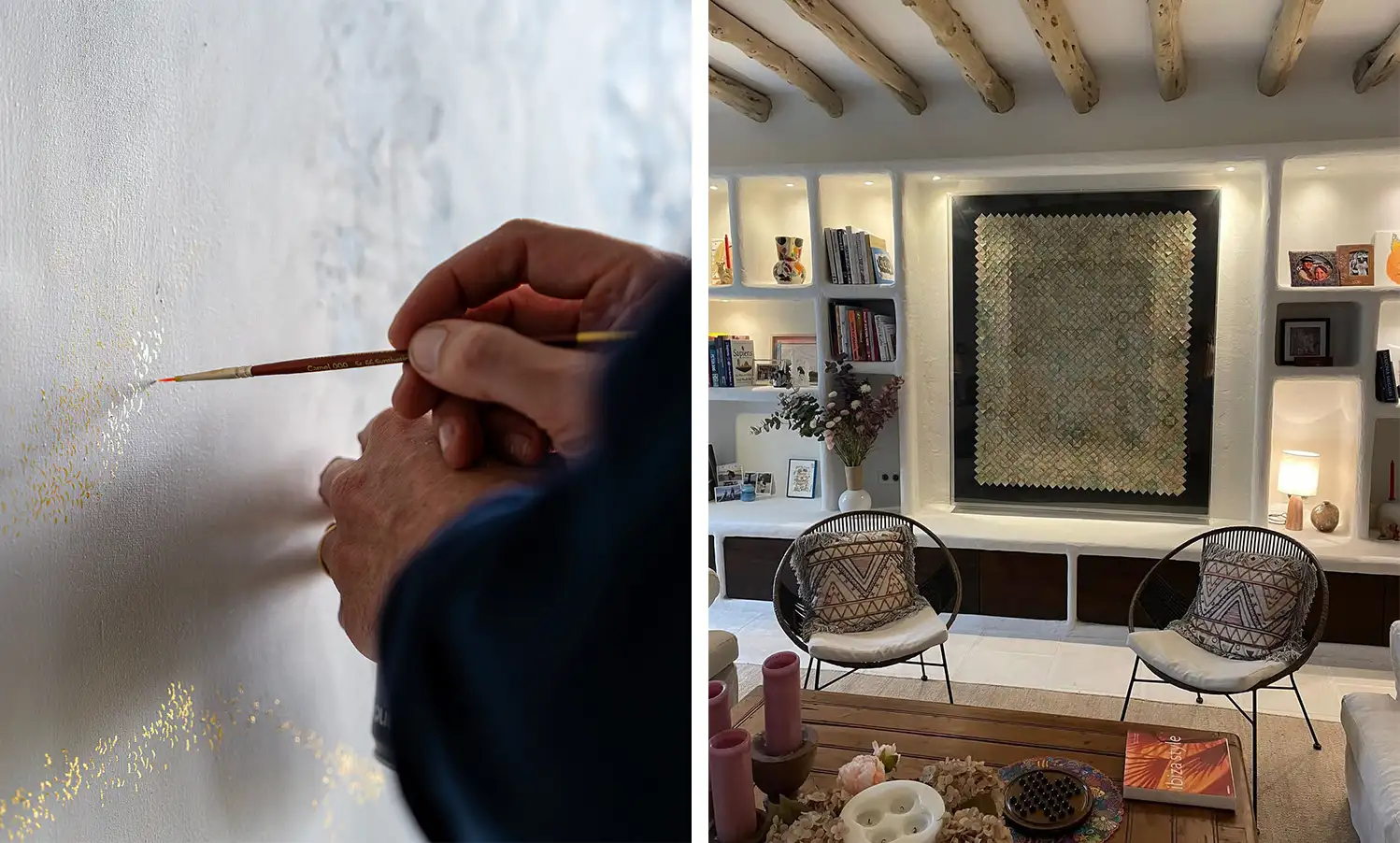
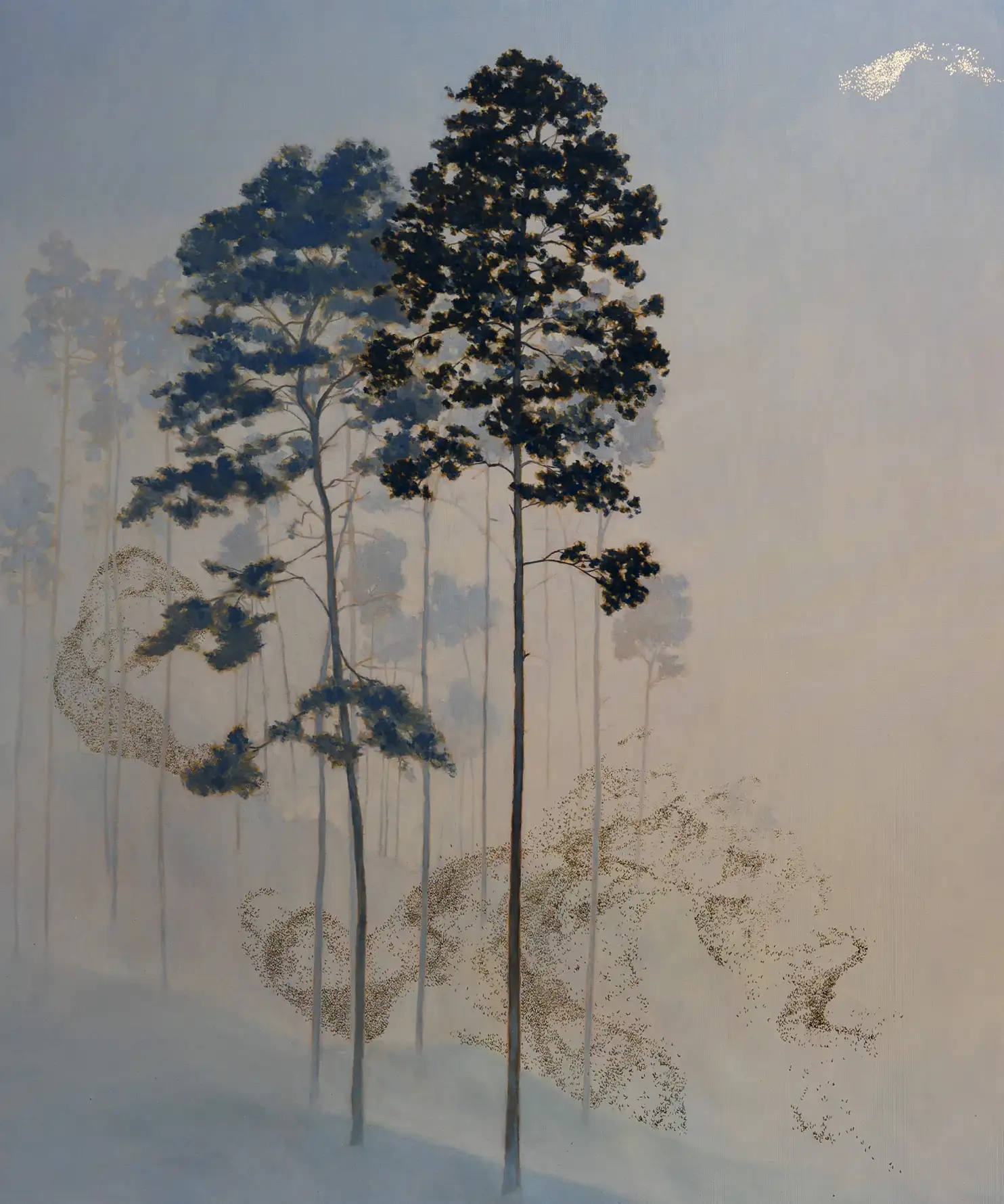
© Angus Hampel Painting by The Disruptive Gallery, ©Smith Vaitiare. Cover image: © Murmurs, Angus Hampel
In the home, one of the most developed expressions of this approach is the virtual skylight systems created through the collaboration between discreet luxury-tech pioneers Fusion.One and Ibiza-based meaningful art consultancy, SmithVaitiare. Designed for spaces without access to daylight, basements, stairwells and internal rooms, these systems adjust tone and intensity throughout the day to follow natural circadian patterns. The effect is practical rather than decorative. Rooms feel usable for longer periods. Enclosed spaces become places people are willing to inhabit
The same restraint defines many of the most considered wellness environments globally.
At destinations such as Aman Kyoto and the thermal spaces at Therme Vals, lighting is deliberately non-static. Brightness rises and falls gradually. Shadow is allowed to remain.
The objective is regulation rather than effect, supporting rest and attention without flattening the space.
Art is increasingly being integrated into this logic. Not as focal point, but as an environmental component. A clear example is the collaboration between British artist Angus Hampel and London-based digital creative Daffy, also instigated by SmithVaitiare, along with the Fusion.One offshoot, The Disruptive Gallery.
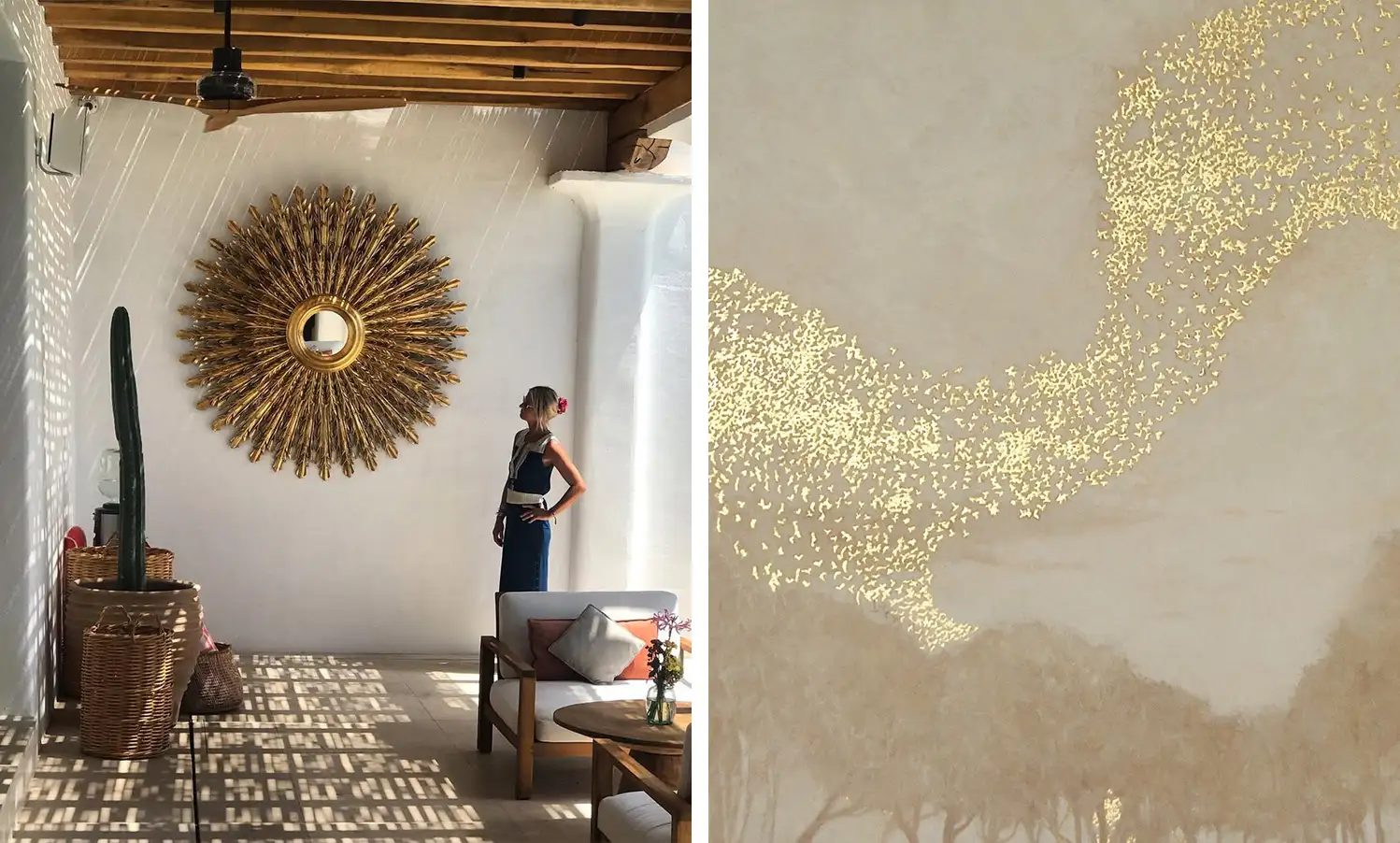
©Smith Vaitiare, © Birdsong by Angus Hampel
Hampel’s original works, in particular his signature gold-leaf Murmurations, are extended through discreet layers of light and movement. Birds appear and dissolve slowly, their motion registering peripherally rather than demanding attention. The technology introduces change without spectacle, allowing the work to shift without interrupting the surrounding space.
In spa and wellness settings, this approach aligns with how people use the environment, offering visual variation without competing with quiet or stillness.
This marks a move away from light as treatment. Infrared and red-light therapies remain relevant, but environmental light operates differently. Its influence is cumulative. It shapes how long people remain in a space, how they move through it and how the body responds without conscious effort.
Across homes, hotels and wellness spaces, these intentional lighting practices become part of the architecture of care.
Explore more on wellbeing.
By Maya Boyd
Neuro-architecture is an emerging discipline examining how light, space, art and environmental design influence circadian rhythm, mental health and overall wellbeing. As people spend more time indoors, the built environment has become a primary condition of health rather than a passive backdrop.
It is thought that most people now spend close to ninety percent of their lives indoors.
As a result, the built environment is no longer a backdrop. It has become a primary condition of health.
This shift has been sharpened by the growing field of neuro-architecture, which looks beyond surface aesthetics and instead draws on neuroscience, psychology and environmental design to understand how elements such as light, scale, proportion, materiality, sound and movement influence stress levels, emotional regulation, cognitive performance and behaviour.
Light sits at the centre of this thinking. The body is governed by circadian rhythms that regulate sleep, hormone release and alertness, rhythms shaped in direct relationship to the sun. When those rhythms are disrupted by flat or poorly calibrated artificial lighting, the effects accumulate. Fatigue, reduced focus and poor sleep quality are not anomalies. They are predictable outcomes.
The first signal of this shift arrived quietly through domestic technology. Sunrise alarm clocks demonstrated that gradual changes in light could regulate waking more effectively than sound. The principle was simple. The body responds better to transitions than interruptions. From there, the logic expanded into architecture, hospitality and wellness design.
© Angus Hampel Painting by The Disruptive Gallery, ©Smith Vaitiare. Cover image: © Murmurs, Angus Hampel
In the home, one of the most developed expressions of this approach is the virtual skylight systems created through the collaboration between discreet luxury-tech pioneers Fusion.One and Ibiza-based meaningful art consultancy, SmithVaitiare. Designed for spaces without access to daylight, basements, stairwells and internal rooms, these systems adjust tone and intensity throughout the day to follow natural circadian patterns. The effect is practical rather than decorative. Rooms feel usable for longer periods. Enclosed spaces become places people are willing to inhabit
The same restraint defines many of the most considered wellness environments globally.
At destinations such as Aman Kyoto and the thermal spaces at Therme Vals, lighting is deliberately non-static. Brightness rises and falls gradually. Shadow is allowed to remain.
The objective is regulation rather than effect, supporting rest and attention without flattening the space.
Art is increasingly being integrated into this logic. Not as focal point, but as an environmental component. A clear example is the collaboration between British artist Angus Hampel and London-based digital creative Daffy, also instigated by SmithVaitiare, along with the Fusion.One offshoot, The Disruptive Gallery.
©Smith Vaitiare, © Birdsong by Angus Hampel
Hampel’s original works, in particular his signature gold-leaf Murmurations, are extended through discreet layers of light and movement. Birds appear and dissolve slowly, their motion registering peripherally rather than demanding attention. The technology introduces change without spectacle, allowing the work to shift without interrupting the surrounding space.
In spa and wellness settings, this approach aligns with how people use the environment, offering visual variation without competing with quiet or stillness.
This marks a move away from light as treatment. Infrared and red-light therapies remain relevant, but environmental light operates differently. Its influence is cumulative. It shapes how long people remain in a space, how they move through it and how the body responds without conscious effort.
Across homes, hotels and wellness spaces, these intentional lighting practices become part of the architecture of care.
Explore more on wellbeing.
DON’T MISS