by Maya Boyd
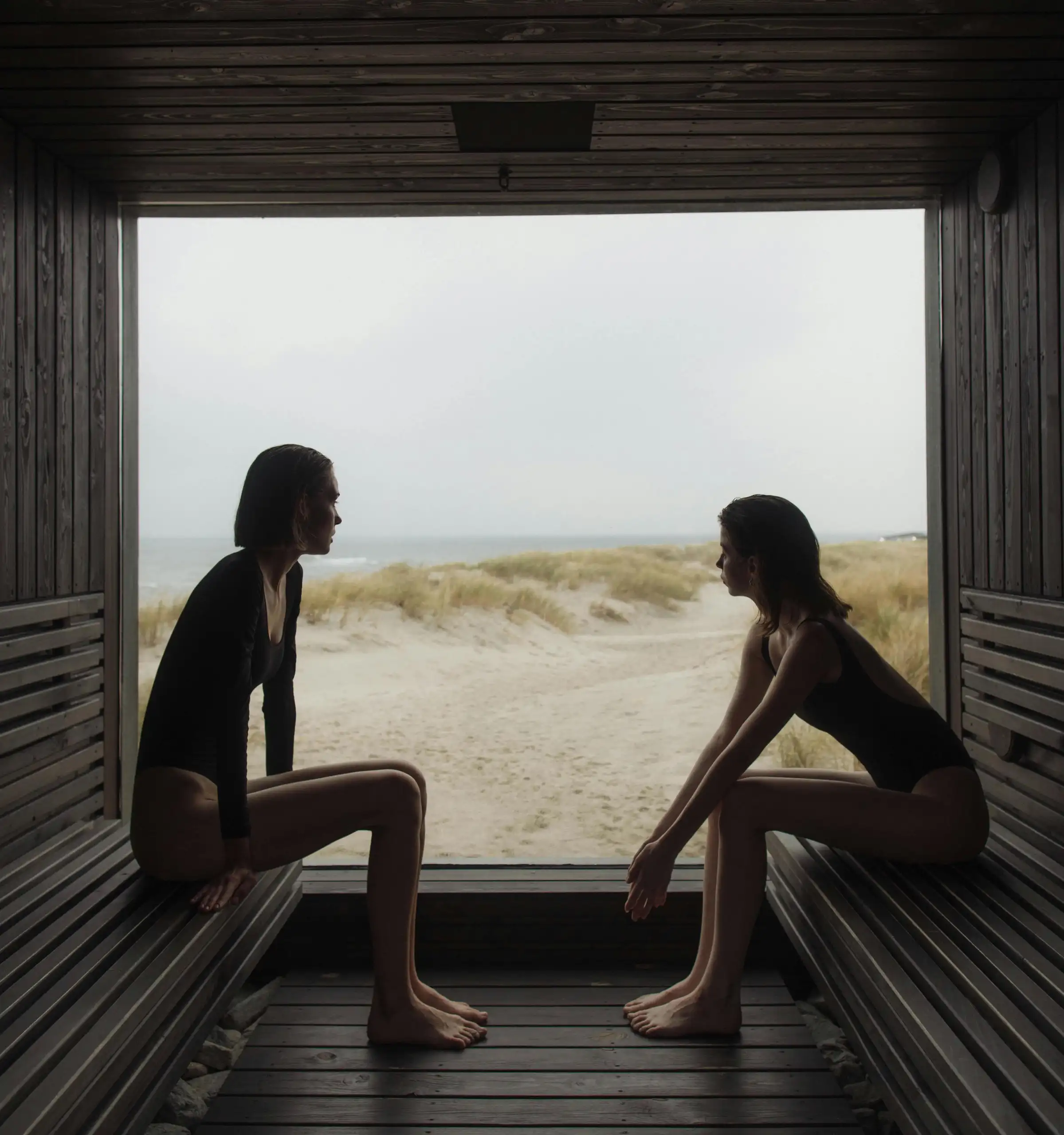
Burnout is out. Belonging is in. As wellness becomes a marker of status and stability, brands from Dior to Soho House are building “third spaces” that sit between home and work, designed not just to sell product, but to hold attention, time and community. Burnout used to read as ambition. Now it reads as poor self-management.
In 2026, wellness has shifted from lifestyle add-on to operating system. Research increasingly links sleep, movement and social connection to sharper decision-making, stronger emotional intelligence and greater resilience under pressure. What was once niche is now baseline, particularly at leadership level. The knock-on effect is cultural. People are recalibrating not just how they work, but how they spend their time. At the same time, daily life has flattened. Home and work occupy the same spaces, often the same screens. Social interaction is more limited, more scheduled, more easily dropped. What’s missing is the in-between. The third space.
Brands have moved quickly to fill that gap. Nearly a third of consumers now discover new brands through community-led experiences, while the global wellness market continues to surge, valued between $2 trillion and $6.8 trillion, depending upon parameters. The opportunity is clear: if people are looking for connection, restoration and routine, brands can build the environments that deliver it.
These new spaces are designed with that in mind. Communal work areas sit alongside breathwork sessions, treatment rooms, movement studios and visiting practitioners. There is a growing focus on what is often described as neurological architecture, spaces built to regulate the nervous system rather than overstimulate it. The tone is deliberately softer. Less alcohol, more presence. The occasional sober morning rave might replace late nights. It is less about escape, more about recalibration.
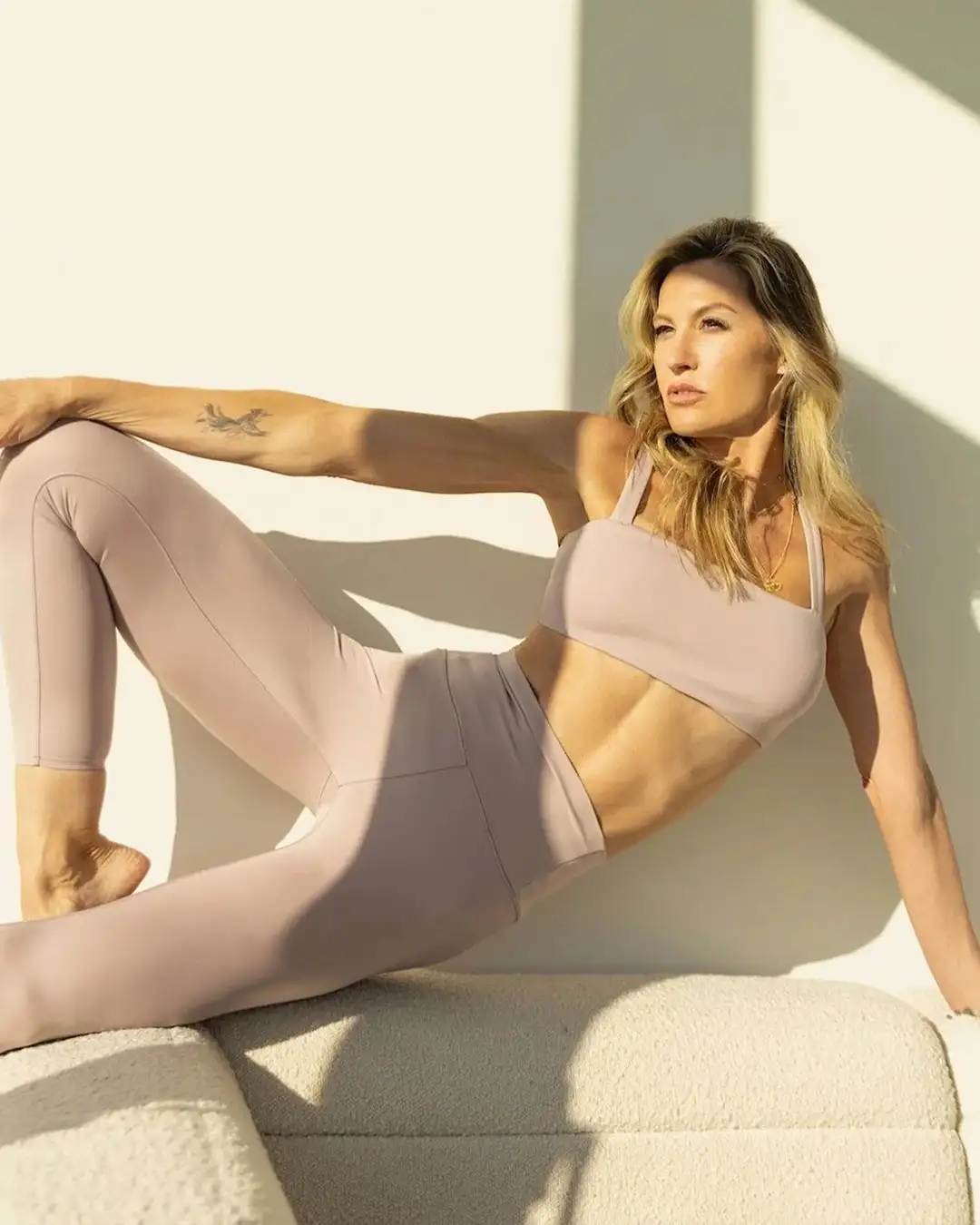
Fashion and luxury have embedded themselves into this shift. Dior extends its brand into spa environments that translate aesthetic into experience. Alo moves between digital platform and physical retreat. Soho House has reworked its global clubs around wellness and programming. Across the board, the direction is consistent: sport, wellbeing, community and a more considered pace of life, brought together under one roof. Product is no longer enough. The real value lies in creating places people return to.
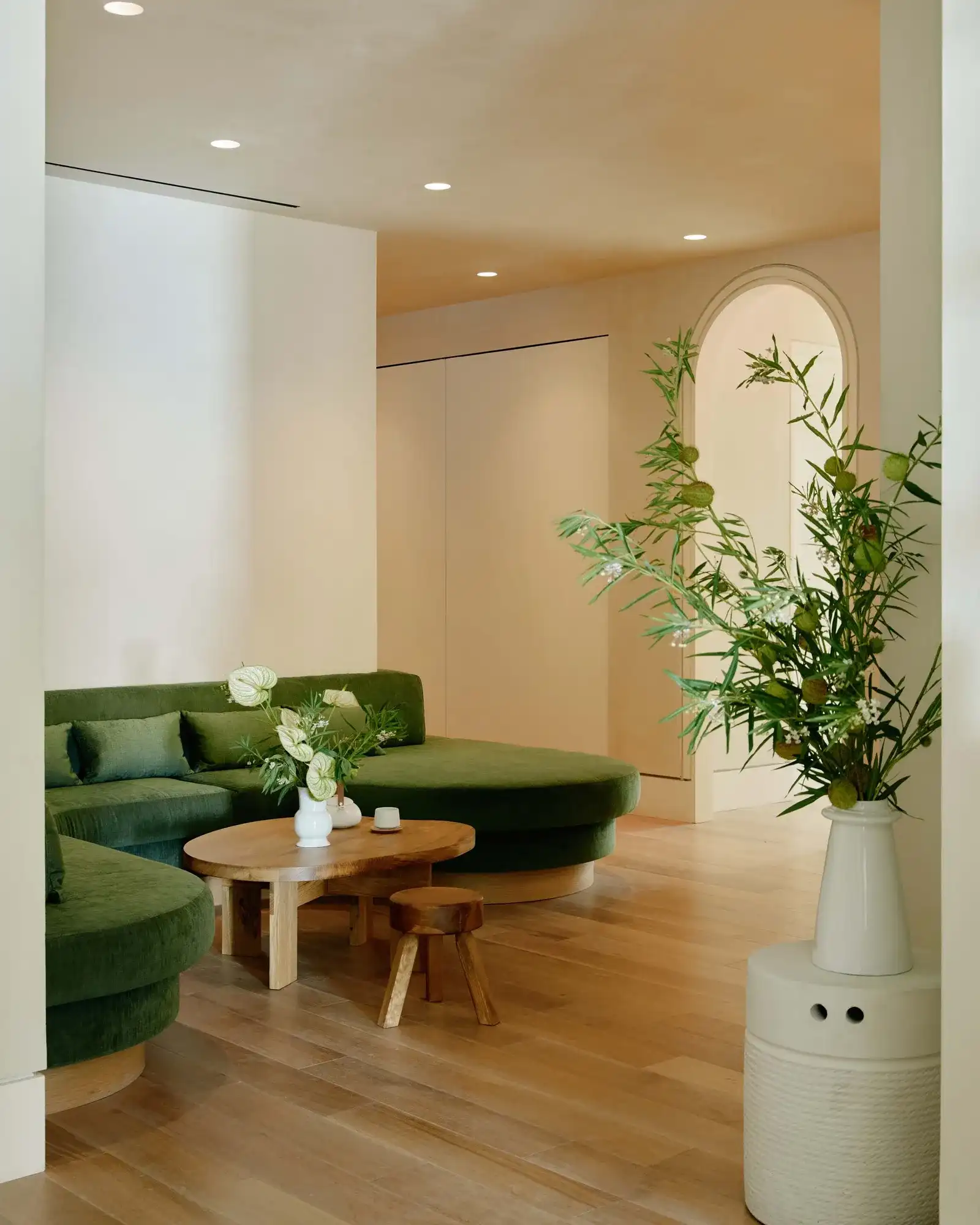
Image credit: Sage+Sound
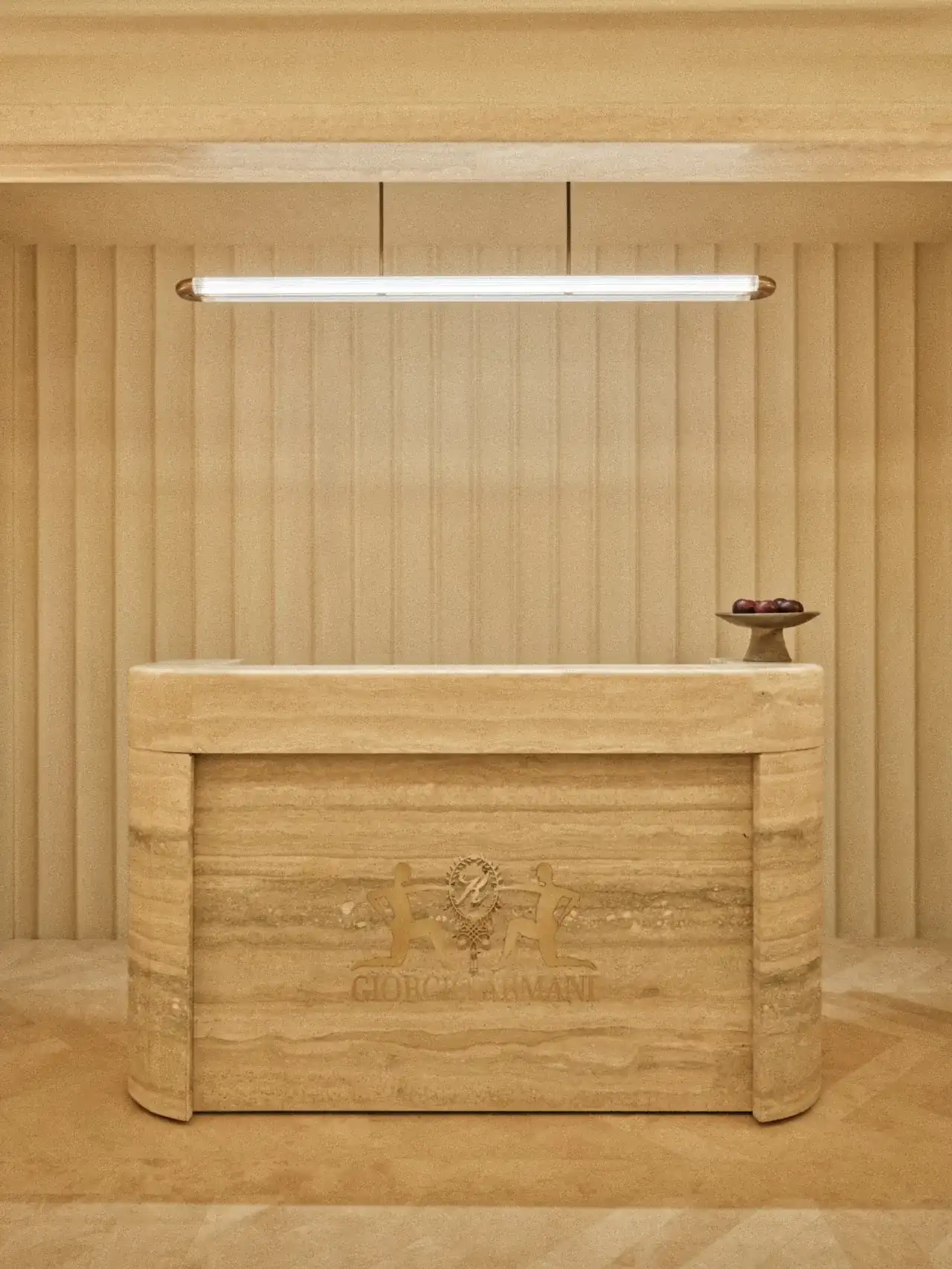
Image credit: Kith Ivy, New York
Six doing it right
1. Kith Ivy, New York
Kith Ivy is one of the most fully realised versions of the third space model currently operating. The members’ club brings together rooftop padel courts, a tonic bar in partnership with cult LA deli Erewhon, Moroccan dining from Café Mogador and an Armani spa offering sports massage and recovery treatments. A Pro Shop sells Kith-branded apparel and equipment on-site. Every element is designed to keep members moving through the same branded ecosystem, extending time spent and increasing cross-category engagement.
Best for: full-spectrum lifestyle immersion
2. Soho House
Soho House has evolved its model to centre wellness as a core part of the membership experience. At locations such as Soho Farmhouse Ibiza, daily schedules include movement classes, outdoor activities and recovery sessions that structure the day. Across its global network, gyms, spas, cold plunges and treatment rooms are now standard. It delivers consistency at scale, embedding wellness into an already established social infrastructure.
Best for: high-performing members who want routine built in
3. Othership
Othership operates as a modern bathhouse built around guided, group-based experiences. Its New York flagship features a 90-person sauna and eight cold plunges, alongside structured breathwork sessions designed to shift mood and energy. It positions itself as “social self-care,” removing phones and alcohol to keep the focus on collective experience. A partnership with The Gallery by Odo extends the concept beyond the core space.
Best for: emotional reset and shared release
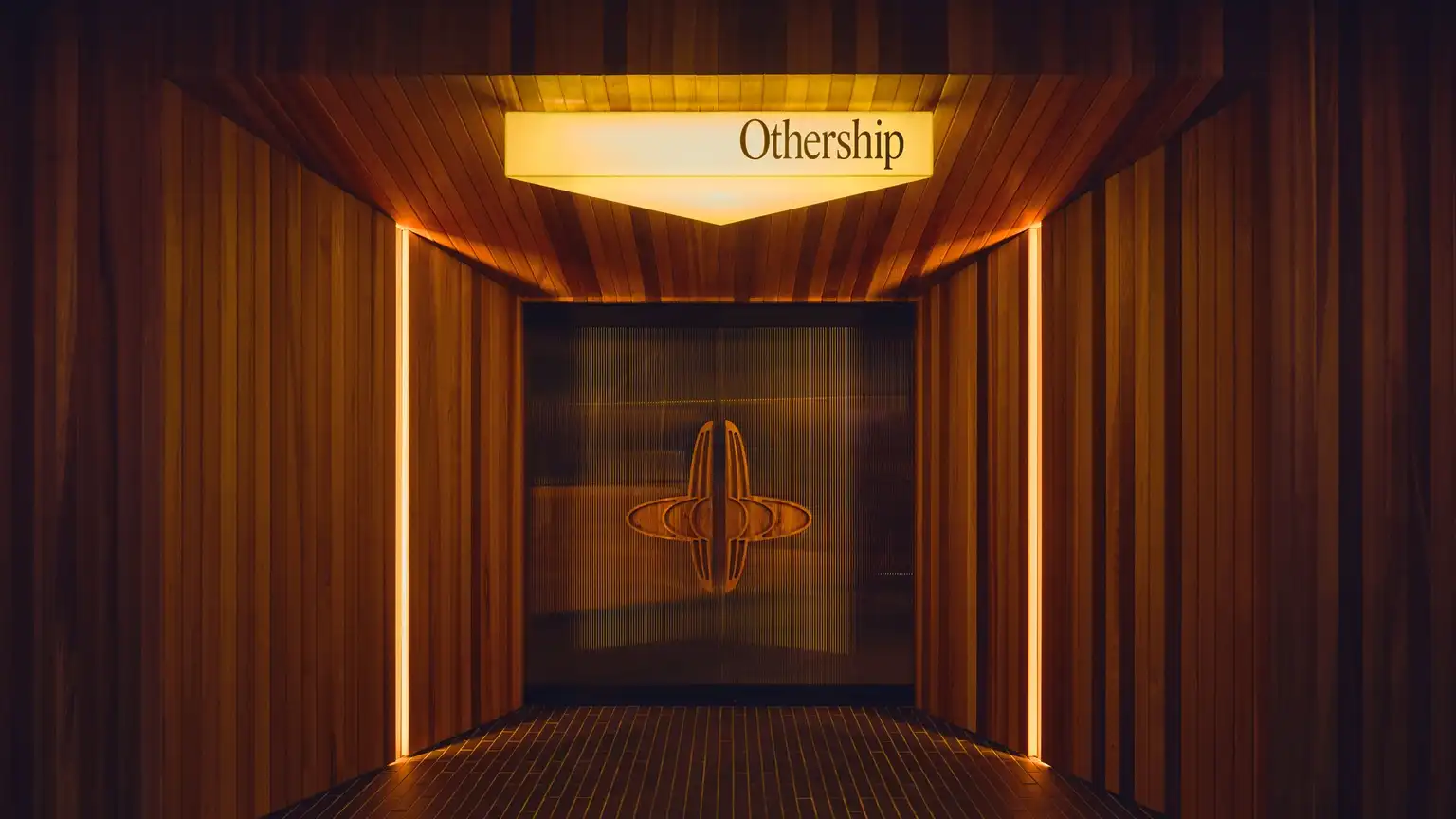
Image credit: Othership
4. Bathhouse, New York
Bathhouse translates traditional bathhouse and onsen culture into a contemporary, high-capacity format. Large saunas, steam rooms and cold plunge circuits are designed for communal use, with pricing structured to encourage repeat visits. The emphasis is on movement through heat and cold in a social environment rather than individual treatments.
Best for: accessible, no-frills social wellness
5. Remedy Place
Remedy Place positions itself as a social wellness club built around clinical-grade recovery. Its SoHo location includes IV therapy, cryotherapy, hyperbaric oxygen chambers and contrast suites, alongside guided ice baths and communal lounge spaces. It reframes high-performance recovery as part of a regular, social routine.
Best for: results-driven recovery and optimisation
6. Sage + Sound
New York’s Sage + Sound offers a more intimate format, combining treatments, sound therapy, meditation and workshops with a café and retail space. Programming spans Reiki, astrology and practitioner-led sessions, with an emphasis on repeat attendance and community building. It operates at a slower, more considered pace.
Best for: spiritual exploration and slower living
by Maya Boyd
Burnout is out. Belonging is in. As wellness becomes a marker of status and stability, brands from Dior to Soho House are building “third spaces” that sit between home and work, designed not just to sell product, but to hold attention, time and community. Burnout used to read as ambition. Now it reads as poor self-management.
In 2026, wellness has shifted from lifestyle add-on to operating system. Research increasingly links sleep, movement and social connection to sharper decision-making, stronger emotional intelligence and greater resilience under pressure. What was once niche is now baseline, particularly at leadership level. The knock-on effect is cultural. People are recalibrating not just how they work, but how they spend their time. At the same time, daily life has flattened. Home and work occupy the same spaces, often the same screens. Social interaction is more limited, more scheduled, more easily dropped. What’s missing is the in-between. The third space.
Brands have moved quickly to fill that gap. Nearly a third of consumers now discover new brands through community-led experiences, while the global wellness market continues to surge, valued between $2 trillion and $6.8 trillion, depending upon parameters. The opportunity is clear: if people are looking for connection, restoration and routine, brands can build the environments that deliver it.
These new spaces are designed with that in mind. Communal work areas sit alongside breathwork sessions, treatment rooms, movement studios and visiting practitioners. There is a growing focus on what is often described as neurological architecture, spaces built to regulate the nervous system rather than overstimulate it. The tone is deliberately softer. Less alcohol, more presence. The occasional sober morning rave might replace late nights. It is less about escape, more about recalibration.
Fashion and luxury have embedded themselves into this shift. Dior extends its brand into spa environments that translate aesthetic into experience. Alo moves between digital platform and physical retreat. Soho House has reworked its global clubs around wellness and programming. Across the board, the direction is consistent: sport, wellbeing, community and a more considered pace of life, brought together under one roof. Product is no longer enough. The real value lies in creating places people return to.
Image credit: Sage+Sound
Image credit: Kith Ivy, New York
Six doing it right
1. Kith Ivy, New York
Kith Ivy is one of the most fully realised versions of the third space model currently operating. The members’ club brings together rooftop padel courts, a tonic bar in partnership with cult LA deli Erewhon, Moroccan dining from Café Mogador and an Armani spa offering sports massage and recovery treatments. A Pro Shop sells Kith-branded apparel and equipment on-site. Every element is designed to keep members moving through the same branded ecosystem, extending time spent and increasing cross-category engagement.
Best for: full-spectrum lifestyle immersion
2. Soho House
Soho House has evolved its model to centre wellness as a core part of the membership experience. At locations such as Soho Farmhouse Ibiza, daily schedules include movement classes, outdoor activities and recovery sessions that structure the day. Across its global network, gyms, spas, cold plunges and treatment rooms are now standard. It delivers consistency at scale, embedding wellness into an already established social infrastructure.
Best for: high-performing members who want routine built in
3. Othership
Othership operates as a modern bathhouse built around guided, group-based experiences. Its New York flagship features a 90-person sauna and eight cold plunges, alongside structured breathwork sessions designed to shift mood and energy. It positions itself as “social self-care,” removing phones and alcohol to keep the focus on collective experience. A partnership with The Gallery by Odo extends the concept beyond the core space.
Best for: emotional reset and shared release
Image credit: Othership
4. Bathhouse, New York
Bathhouse translates traditional bathhouse and onsen culture into a contemporary, high-capacity format. Large saunas, steam rooms and cold plunge circuits are designed for communal use, with pricing structured to encourage repeat visits. The emphasis is on movement through heat and cold in a social environment rather than individual treatments.
Best for: accessible, no-frills social wellness
5. Remedy Place
Remedy Place positions itself as a social wellness club built around clinical-grade recovery. Its SoHo location includes IV therapy, cryotherapy, hyperbaric oxygen chambers and contrast suites, alongside guided ice baths and communal lounge spaces. It reframes high-performance recovery as part of a regular, social routine.
Best for: results-driven recovery and optimisation
6. Sage + Sound
New York’s Sage + Sound offers a more intimate format, combining treatments, sound therapy, meditation and workshops with a café and retail space. Programming spans Reiki, astrology and practitioner-led sessions, with an emphasis on repeat attendance and community building. It operates at a slower, more considered pace.
Best for: spiritual exploration and slower living
DON’T MISS