By Maya Boyd
Every day we chase the next breakthrough in wellness.
The latest wearable. The newest supplement. The longevity protocol. The recovery technology. We spend thousands trying to optimise our health, often overlooking the one tool capable of influencing our body, mind and emotions in real time.
Our breath.
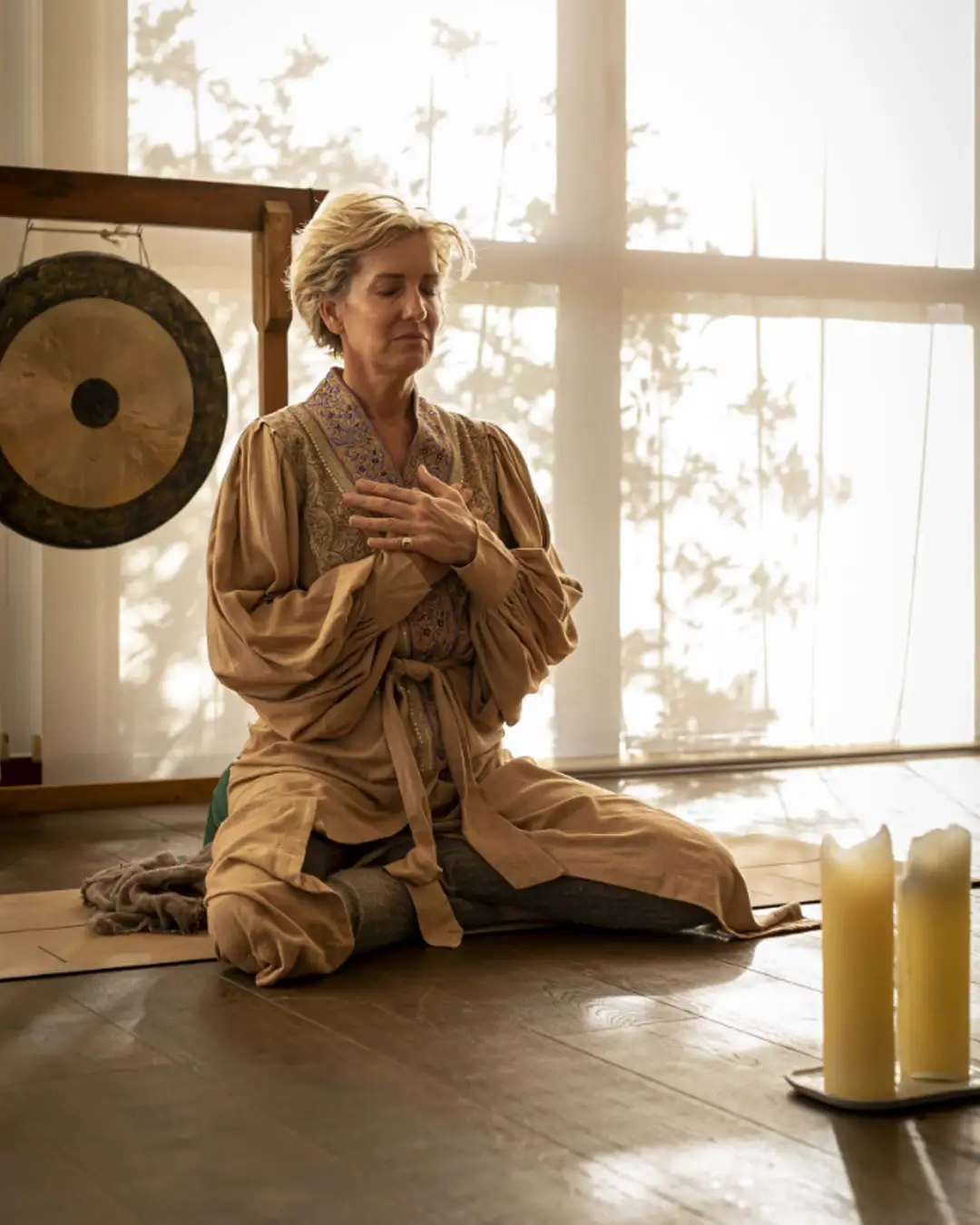
It’s so automatic that we rarely notice it. Yet breathing is one of the few functions in the body that exists in two worlds. It happens unconsciously, but we can also consciously take control of it. That makes it an extraordinary bridge between the mind and the body, a direct line into the nervous system.
In a world where stress has become our default setting, perhaps the greatest wellness technology isn’t something we need to buy. It’s something we need to remember.
Your nervous system is always listening
When we’re overwhelmed, anxious or under pressure, our breathing changes before we even realise it. It becomes quicker, shallower and higher in the chest, signalling to the brain that we’re under threat. The body responds exactly as it’s designed to. Heart rate increases, cortisol rises, digestion slows, and recovery is put on hold.
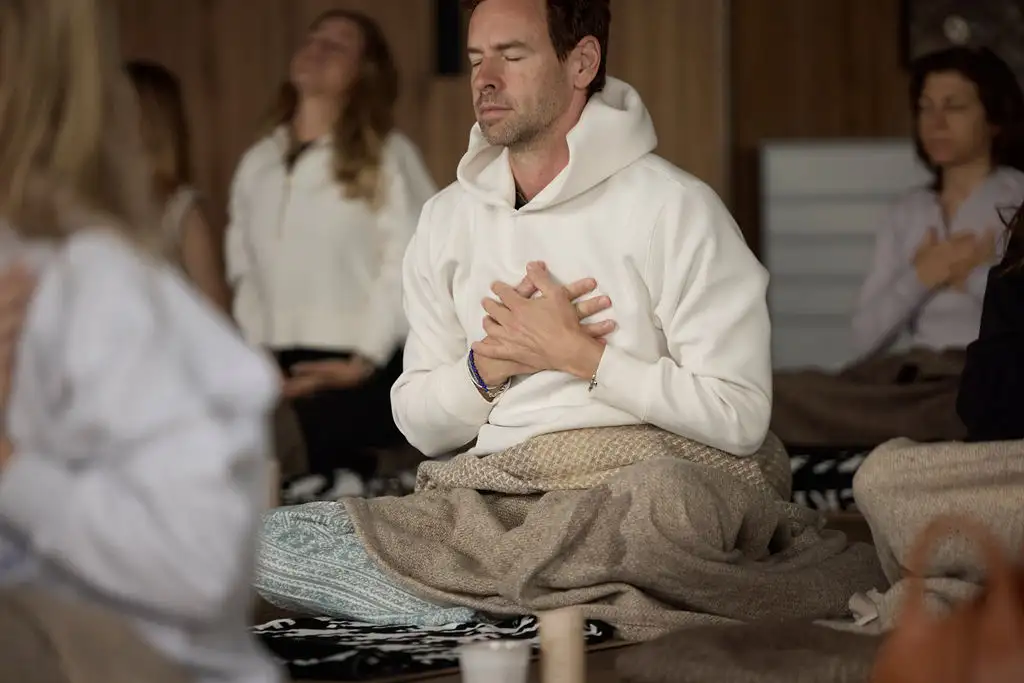
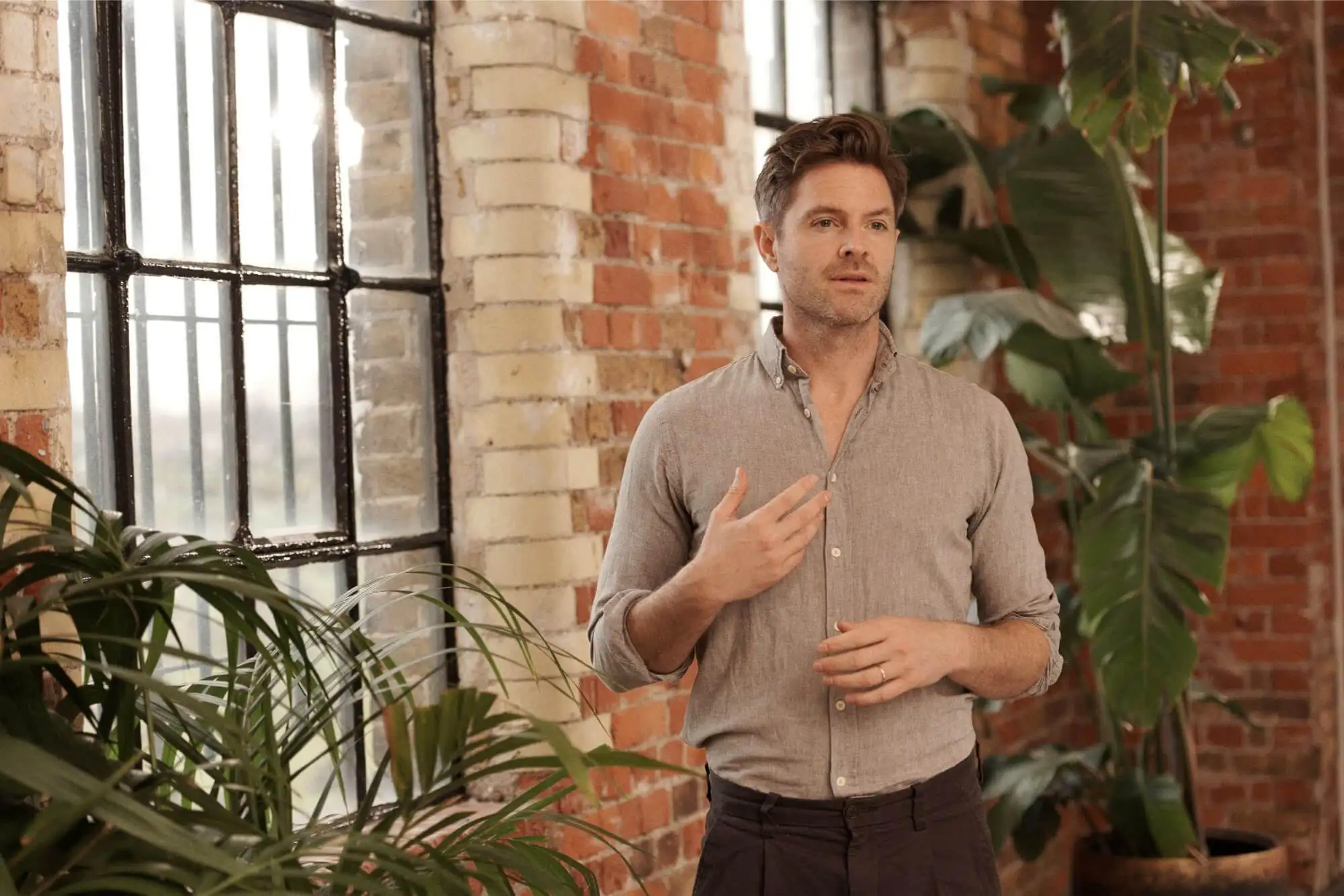
The fascinating part is that the conversation works both ways. Change the breath, and the nervous system begins to change too. Breathwork practitioner and human performance coach Rob Rea, who joins us this year as a keynote speaker at Alma in Sicily in September, describes it simply:
“Breathwork is a science-backed way of using the breath to regulate the nervous system and improve physical and mental health.” He explains that “the breath is unique because it’s both automatic and controllable, meaning we can consciously influence our physiology in real time.”
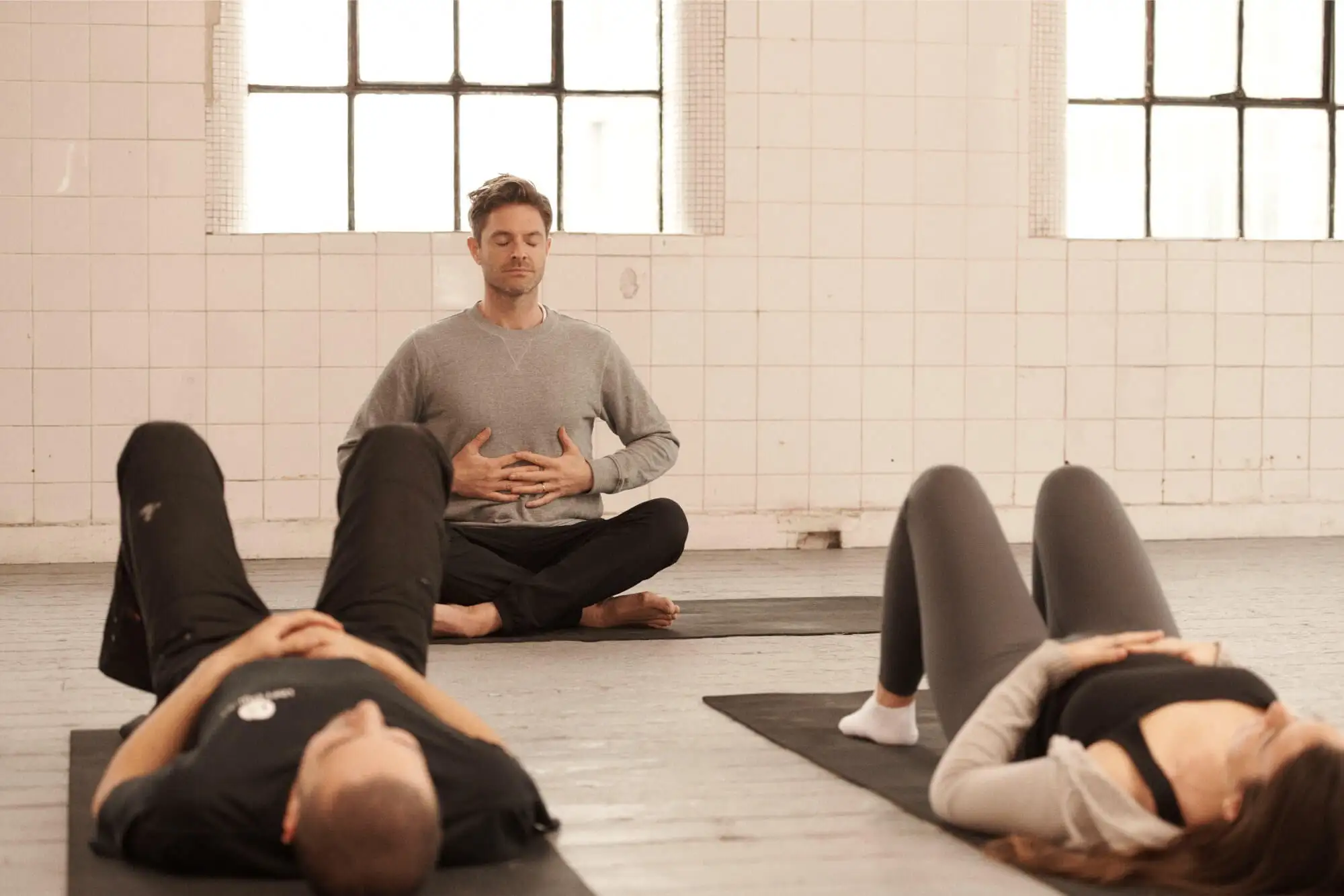
That ability is remarkably powerful. Within minutes, slower, controlled breathing can stimulate the parasympathetic nervous system, our “rest and digest” mode, reducing stress, lowering heart rate and creating the internal conditions for recovery.
Resilience isn’t about avoiding stress
We often think resilience means becoming immune to pressure.
It doesn’t.
Real resilience is the ability to return to balance after life inevitably knocks us off centre.
Whether it’s an intense workout, a difficult conversation, a demanding week at work or emotional upheaval, our nervous system is constantly shifting between activation and recovery. The people who thrive aren’t necessarily those who experience less stress. They are the ones whose bodies know how to recover from it more efficiently.
Breath is one of the fastest ways to build that flexibility.
As Rea often tells clients, “You can’t always think your way out of stress, but you can always feel your way out of stress.”
His work centres on helping people understand that the nervous system doesn’t respond first to logic. It responds to physiology. Breath becomes the language through which the body feels safe again.
Recovery begins long before sleep
We’re becoming increasingly obsessed with recovery, and rightly so.
Elite athletes have known for years that adaptation happens during recovery, not during training. The same principle applies to everyday life.
If the nervous system remains stuck in a chronic fight or flight state, the body struggles to repair itself effectively. Sleep quality declines. Inflammation can increase. Energy becomes inconsistent. Emotional regulation becomes harder.
Rea points out that chronic stress often creates shallow, inefficient breathing patterns that reinforce the body’s stress response, making recovery more difficult and reducing resilience over time.
In other words, breathing isn’t simply about getting oxygen. It’s about creating the internal environment where healing can actually happen.
The quiet connection to longevity
Longevity conversations often revolve around biomarkers, fasting protocols and advanced diagnostics.
Yet few conversations begin with something as fundamental as how we breathe. Healthy ageing depends not only on adding years to life but on preserving the body’s ability to adapt. Nervous system flexibility, quality sleep, cardiovascular health, emotional regulation and stress management all influence long-term wellbeing. Breath touches every one of them.
There is growing scientific interest in slower nasal breathing, improved carbon dioxide tolerance and breath training as ways to support cardiovascular efficiency, sleep quality and emotional health. While breathwork isn’t a magic cure or a replacement for medical care, it is increasingly recognised as a meaningful daily practice that supports overall health.
Perhaps that’s why Rea says he’s “not yet met someone… who couldn’t benefit from integrating breathwork into their life in some form.”
The invitation we’ve been ignoring
There is something quietly humbling about the fact that one of the most effective tools for regulating how we feel has been with us since the day we were born.
Breath asks very little of us. It doesn’t require expensive equipment, perfect circumstances or hours of practice. It simply asks for our attention. Yet in a culture that constantly encourages us to search for the next breakthrough, we often overlook the practices that are already within reach.
That may be beginning to change. As research into nervous system regulation, recovery and longevity continues to evolve, breathwork is moving from the fringes of wellness into mainstream conversation. Not because it’s a trend, but because it addresses something fundamentally human. We all experience stress. We all need recovery. We all benefit from feeling calmer, clearer and more resilient.
Perhaps that is why breathwork resonates with so many people. It reminds us that wellbeing doesn’t always begin with adding something new to our lives. Sometimes it begins by paying closer attention to something we’ve been doing all along. The breath will never replace good nutrition, movement, sleep or medical care. But it has the unique ability to support all of them, influencing how we respond to challenge, recover from effort and navigate everyday life.
In a world that rarely slows down, taking a conscious breath might seem like a small act. In reality, it may be one of the most powerful choices we can make.

By Maya Boyd
Every day we chase the next breakthrough in wellness.
The latest wearable. The newest supplement. The longevity protocol. The recovery technology. We spend thousands trying to optimise our health, often overlooking the one tool capable of influencing our body, mind and emotions in real time.
Our breath.
It’s so automatic that we rarely notice it. Yet breathing is one of the few functions in the body that exists in two worlds. It happens unconsciously, but we can also consciously take control of it. That makes it an extraordinary bridge between the mind and the body, a direct line into the nervous system.
In a world where stress has become our default setting, perhaps the greatest wellness technology isn’t something we need to buy. It’s something we need to remember.
Your nervous system is always listening
When we’re overwhelmed, anxious or under pressure, our breathing changes before we even realise it. It becomes quicker, shallower and higher in the chest, signalling to the brain that we’re under threat. The body responds exactly as it’s designed to. Heart rate increases, cortisol rises, digestion slows, and recovery is put on hold.
The fascinating part is that the conversation works both ways. Change the breath, and the nervous system begins to change too. Breathwork practitioner and human performance coach Rob Rea, who joins us this year as a keynote speaker at Alma in Sicily in September, describes it simply:
“Breathwork is a science-backed way of using the breath to regulate the nervous system and improve physical and mental health.” He explains that “the breath is unique because it’s both automatic and controllable, meaning we can consciously influence our physiology in real time.”
That ability is remarkably powerful. Within minutes, slower, controlled breathing can stimulate the parasympathetic nervous system, our “rest and digest” mode, reducing stress, lowering heart rate and creating the internal conditions for recovery.
Resilience isn’t about avoiding stress
We often think resilience means becoming immune to pressure.
It doesn’t.
Real resilience is the ability to return to balance after life inevitably knocks us off centre.
Whether it’s an intense workout, a difficult conversation, a demanding week at work or emotional upheaval, our nervous system is constantly shifting between activation and recovery. The people who thrive aren’t necessarily those who experience less stress. They are the ones whose bodies know how to recover from it more efficiently.
Breath is one of the fastest ways to build that flexibility.
As Rea often tells clients, “You can’t always think your way out of stress, but you can always feel your way out of stress.”
His work centres on helping people understand that the nervous system doesn’t respond first to logic. It responds to physiology. Breath becomes the language through which the body feels safe again.
Recovery begins long before sleep
We’re becoming increasingly obsessed with recovery, and rightly so.
Elite athletes have known for years that adaptation happens during recovery, not during training. The same principle applies to everyday life.
If the nervous system remains stuck in a chronic fight or flight state, the body struggles to repair itself effectively. Sleep quality declines. Inflammation can increase. Energy becomes inconsistent. Emotional regulation becomes harder.
Rea points out that chronic stress often creates shallow, inefficient breathing patterns that reinforce the body’s stress response, making recovery more difficult and reducing resilience over time.
In other words, breathing isn’t simply about getting oxygen. It’s about creating the internal environment where healing can actually happen.
The quiet connection to longevity
Longevity conversations often revolve around biomarkers, fasting protocols and advanced diagnostics.
Yet few conversations begin with something as fundamental as how we breathe. Healthy ageing depends not only on adding years to life but on preserving the body’s ability to adapt. Nervous system flexibility, quality sleep, cardiovascular health, emotional regulation and stress management all influence long-term wellbeing. Breath touches every one of them.
There is growing scientific interest in slower nasal breathing, improved carbon dioxide tolerance and breath training as ways to support cardiovascular efficiency, sleep quality and emotional health. While breathwork isn’t a magic cure or a replacement for medical care, it is increasingly recognised as a meaningful daily practice that supports overall health.
Perhaps that’s why Rea says he’s “not yet met someone… who couldn’t benefit from integrating breathwork into their life in some form.”
The invitation we’ve been ignoring
There is something quietly humbling about the fact that one of the most effective tools for regulating how we feel has been with us since the day we were born.
Breath asks very little of us. It doesn’t require expensive equipment, perfect circumstances or hours of practice. It simply asks for our attention. Yet in a culture that constantly encourages us to search for the next breakthrough, we often overlook the practices that are already within reach.
That may be beginning to change. As research into nervous system regulation, recovery and longevity continues to evolve, breathwork is moving from the fringes of wellness into mainstream conversation. Not because it’s a trend, but because it addresses something fundamentally human. We all experience stress. We all need recovery. We all benefit from feeling calmer, clearer and more resilient.
Perhaps that is why breathwork resonates with so many people. It reminds us that wellbeing doesn’t always begin with adding something new to our lives. Sometimes it begins by paying closer attention to something we’ve been doing all along. The breath will never replace good nutrition, movement, sleep or medical care. But it has the unique ability to support all of them, influencing how we respond to challenge, recover from effort and navigate everyday life.
In a world that rarely slows down, taking a conscious breath might seem like a small act. In reality, it may be one of the most powerful choices we can make.
DON’T MISS