The Return of the Afternoon Siesta
Mediterranean wisdom is finally catching up with modern neuroscience. Far from being a sign of laziness, the afternoon nap may be one of the simplest ways to improve brain function, emotional resilience and long-term health.
JOIN THE RITUAL. SIGN UP FOR EXCLUSIVE CONTENT, EXPERT INSIGHTS,
RITUALS, STORIES, NEW LAUNCHES & EXPERIENCES

By Maya Boyd
For much of the twentieth century, the siesta became shorthand for a slower, more relaxed way of life. As global work culture accelerated, it was dismissed as an indulgence, a quaint Mediterranean tradition with little place in modern society. Yet science is beginning to tell a different story. From neuroscience laboratories to longevity research, evidence is mounting that a brief afternoon rest may be one of the most overlooked tools for cognitive performance, cardiovascular health and emotional wellbeing.
Here are five reasons the siesta deserves its renaissance.
1. The brain is programmed for an afternoon dip
If energy levels reliably crash between 1pm and 3pm, lunch is only partly to blame. Neuroscientists have long recognised that human alertness follows a circadian rhythm, creating a natural lull in wakefulness during the early afternoon. This dip occurs even in people who have skipped lunch, suggesting it is hardwired into our biology rather than simply a response to digestion.
Research from sleep laboratories has shown that a short nap of around 10 to 30 minutes during this window can restore alertness, improve reaction times and sharpen concentration without causing the grogginess associated with longer sleep. During wakefulness, the brain steadily accumulates adenosine, a chemical that increases sleep pressure. A brief nap helps reduce this build-up, effectively giving the brain an opportunity to reset before the second half of the day.
2. Napping strengthens memory and learning
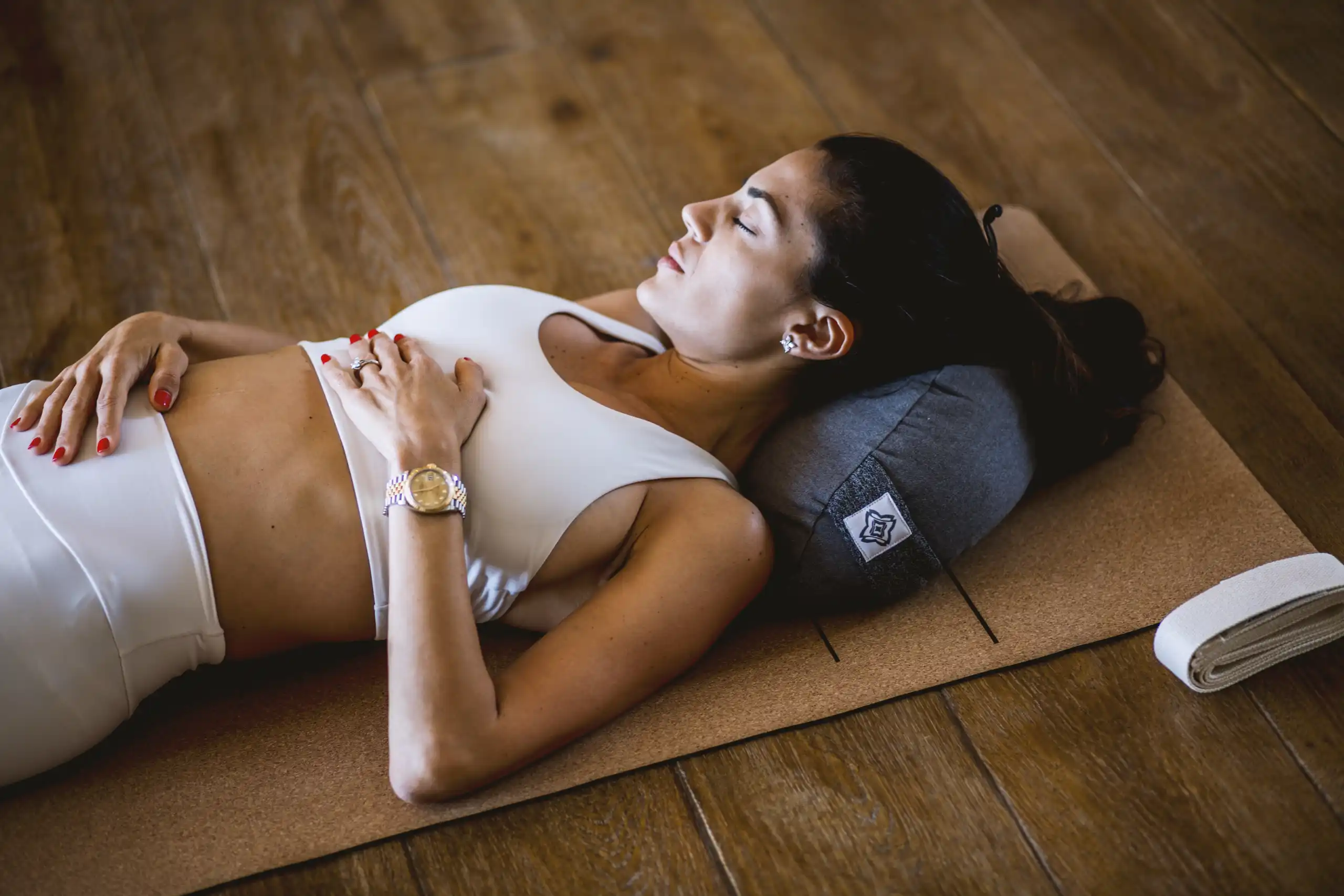
Sleep is when the brain edits, organises and stores information. Even a short daytime nap appears to accelerate this process.
The hippocampus, a structure deep within the brain responsible for forming new memories, temporarily stores information before transferring it to the cerebral cortex for longer-term storage. During certain stages of sleep, particularly light non-REM sleep, the brain produces bursts of electrical activity known as sleep spindles. These rapid oscillations are thought to play a critical role in memory consolidation, reinforcing newly learned information while filtering out what is less important.
Studies have repeatedly shown that people who nap after learning perform better on tests of recall than those who remain awake. Creative problem-solving also appears to benefit. By briefly disengaging from external demands, the brain is able to reorganise information, strengthen neural connections and uncover patterns that might otherwise remain hidden.

3. A calmer nervous system means a healthier body
The benefits extend far beyond sharper thinking.
Short daytime naps have been linked with reductions in blood pressure, improved heart rate variability and lower activity in the sympathetic nervous system, the body’s fight-or-flight response. Instead, napping encourages activation of the parasympathetic nervous system, often referred to as the “rest and digest” state. This shift allows heart rate to slow, breathing to deepen and stress hormones such as cortisol to fall.
Over time, repeated opportunities to interrupt chronic stress may have meaningful effects on long-term health. Persistent elevation of cortisol has been associated with inflammation, impaired immune function, metabolic disease and accelerated biological ageing. While a nap is not a substitute for sufficient nighttime sleep, it may help buffer the physiological effects of an increasingly overstimulated world.

4. The Mediterranean understood this centuries ago
Long before wearable sleep trackers and neuroscience research, Mediterranean cultures had already organised daily life around the rhythms of the human body.
The word siesta derives from the Latin hora sexta, meaning the “sixth hour” after sunrise, traditionally occurring around midday. In countries including Spain, Italy and parts of Greece, shops would often close during the hottest hours of the day. Farmers, fishermen and labourers retreated indoors, avoiding intense heat before returning to work as temperatures cooled.
Contrary to popular myth, the siesta was never simply about sleeping. It reflected a broader philosophy of living in harmony with climate, daylight and natural energy cycles. Meals were shared slowly, afternoons unfolded at a gentler pace and evenings extended later into the cooler hours. While modern urban life has reduced the prevalence of the traditional siesta, the underlying principles remain deeply woven into Mediterranean culture: work with biology rather than against it.
5. Less is often more
The ideal nap is surprisingly short.
Most sleep scientists recommend keeping daytime naps between 10 and 30 minutes. This allows the brain to gain many of the restorative benefits of light sleep while avoiding deeper slow-wave sleep, from which waking can leave people feeling disorientated for up to an hour.
Timing matters too. Early afternoon generally aligns with the body’s natural circadian lull. Napping too late in the day can reduce sleep pressure and interfere with nighttime sleep, particularly for people prone to insomnia.
Perhaps the greatest lesson of the Mediterranean siesta is philosophical rather than physiological. Rest is not the opposite of productivity. It is often what makes sustained creativity, clear thinking and emotional balance possible. In an age that celebrates constant availability, stepping away for twenty minutes may be one of the most biologically intelligent decisions a person can make.
The Mediterranean never really forgot that. Now, neuroscience is finally catching up.

By Maya Boyd
For much of the twentieth century, the siesta became shorthand for a slower, more relaxed way of life. As global work culture accelerated, it was dismissed as an indulgence, a quaint Mediterranean tradition with little place in modern society. Yet science is beginning to tell a different story. From neuroscience laboratories to longevity research, evidence is mounting that a brief afternoon rest may be one of the most overlooked tools for cognitive performance, cardiovascular health and emotional wellbeing.
Here are five reasons the siesta deserves its renaissance.
1. The brain is programmed for an afternoon dip
If energy levels reliably crash between 1pm and 3pm, lunch is only partly to blame. Neuroscientists have long recognised that human alertness follows a circadian rhythm, creating a natural lull in wakefulness during the early afternoon. This dip occurs even in people who have skipped lunch, suggesting it is hardwired into our biology rather than simply a response to digestion.
Research from sleep laboratories has shown that a short nap of around 10 to 30 minutes during this window can restore alertness, improve reaction times and sharpen concentration without causing the grogginess associated with longer sleep. During wakefulness, the brain steadily accumulates adenosine, a chemical that increases sleep pressure. A brief nap helps reduce this build-up, effectively giving the brain an opportunity to reset before the second half of the day.
2. Napping strengthens memory and learning
Sleep is when the brain edits, organises and stores information. Even a short daytime nap appears to accelerate this process.
The hippocampus, a structure deep within the brain responsible for forming new memories, temporarily stores information before transferring it to the cerebral cortex for longer-term storage. During certain stages of sleep, particularly light non-REM sleep, the brain produces bursts of electrical activity known as sleep spindles. These rapid oscillations are thought to play a critical role in memory consolidation, reinforcing newly learned information while filtering out what is less important.
Studies have repeatedly shown that people who nap after learning perform better on tests of recall than those who remain awake. Creative problem-solving also appears to benefit. By briefly disengaging from external demands, the brain is able to reorganise information, strengthen neural connections and uncover patterns that might otherwise remain hidden.
3. A calmer nervous system means a healthier body
The benefits extend far beyond sharper thinking.
Short daytime naps have been linked with reductions in blood pressure, improved heart rate variability and lower activity in the sympathetic nervous system, the body’s fight-or-flight response. Instead, napping encourages activation of the parasympathetic nervous system, often referred to as the “rest and digest” state. This shift allows heart rate to slow, breathing to deepen and stress hormones such as cortisol to fall.
Over time, repeated opportunities to interrupt chronic stress may have meaningful effects on long-term health. Persistent elevation of cortisol has been associated with inflammation, impaired immune function, metabolic disease and accelerated biological ageing. While a nap is not a substitute for sufficient nighttime sleep, it may help buffer the physiological effects of an increasingly overstimulated world.
4. The Mediterranean understood this centuries ago
Long before wearable sleep trackers and neuroscience research, Mediterranean cultures had already organised daily life around the rhythms of the human body.
The word siesta derives from the Latin hora sexta, meaning the “sixth hour” after sunrise, traditionally occurring around midday. In countries including Spain, Italy and parts of Greece, shops would often close during the hottest hours of the day. Farmers, fishermen and labourers retreated indoors, avoiding intense heat before returning to work as temperatures cooled.
Contrary to popular myth, the siesta was never simply about sleeping. It reflected a broader philosophy of living in harmony with climate, daylight and natural energy cycles. Meals were shared slowly, afternoons unfolded at a gentler pace and evenings extended later into the cooler hours. While modern urban life has reduced the prevalence of the traditional siesta, the underlying principles remain deeply woven into Mediterranean culture: work with biology rather than against it.
5. Less is often more
The ideal nap is surprisingly short.
Most sleep scientists recommend keeping daytime naps between 10 and 30 minutes. This allows the brain to gain many of the restorative benefits of light sleep while avoiding deeper slow-wave sleep, from which waking can leave people feeling disorientated for up to an hour.
Timing matters too. Early afternoon generally aligns with the body’s natural circadian lull. Napping too late in the day can reduce sleep pressure and interfere with nighttime sleep, particularly for people prone to insomnia.
Perhaps the greatest lesson of the Mediterranean siesta is philosophical rather than physiological. Rest is not the opposite of productivity. It is often what makes sustained creativity, clear thinking and emotional balance possible. In an age that celebrates constant availability, stepping away for twenty minutes may be one of the most biologically intelligent decisions a person can make.
The Mediterranean never really forgot that. Now, neuroscience is finally catching up.
DON’T MISS