Fee Drummond Rewilding Body and Mind
The founder of Rewilding Tribe on food as medicine, female sovereignty, mineral depletion, raising children close to nature and why humanity’s future may depend on returning to a slower, more nutrient-dense way of living.
JOIN THE RITUAL. SIGN UP FOR EXCLUSIVE CONTENT, EXPERT INSIGHTS,
RITUALS, STORIES, NEW LAUNCHES & EXPERIENCES
by Maya Boyd
What becomes clear very quickly speaking to Fee Drummond is that she is not interested in wellness as performance. She is interested in survival. In vitality. In what happens when we begin paying attention to the signals our bodies have been trying to send for years. Her language is intense, instinctive, almost primal at times, but beneath it sits an extraordinary amount of research into biochemistry, inflammation, hormones and nutrient absorption. What she calls “nutrient-dense living” is not another restrictive doctrine disguised as self-care. If anything, it is the opposite.
“I don’t believe that we need to diet anymore,”
she tells me. “This is about abundance. We’re in recovery from a deficit.”
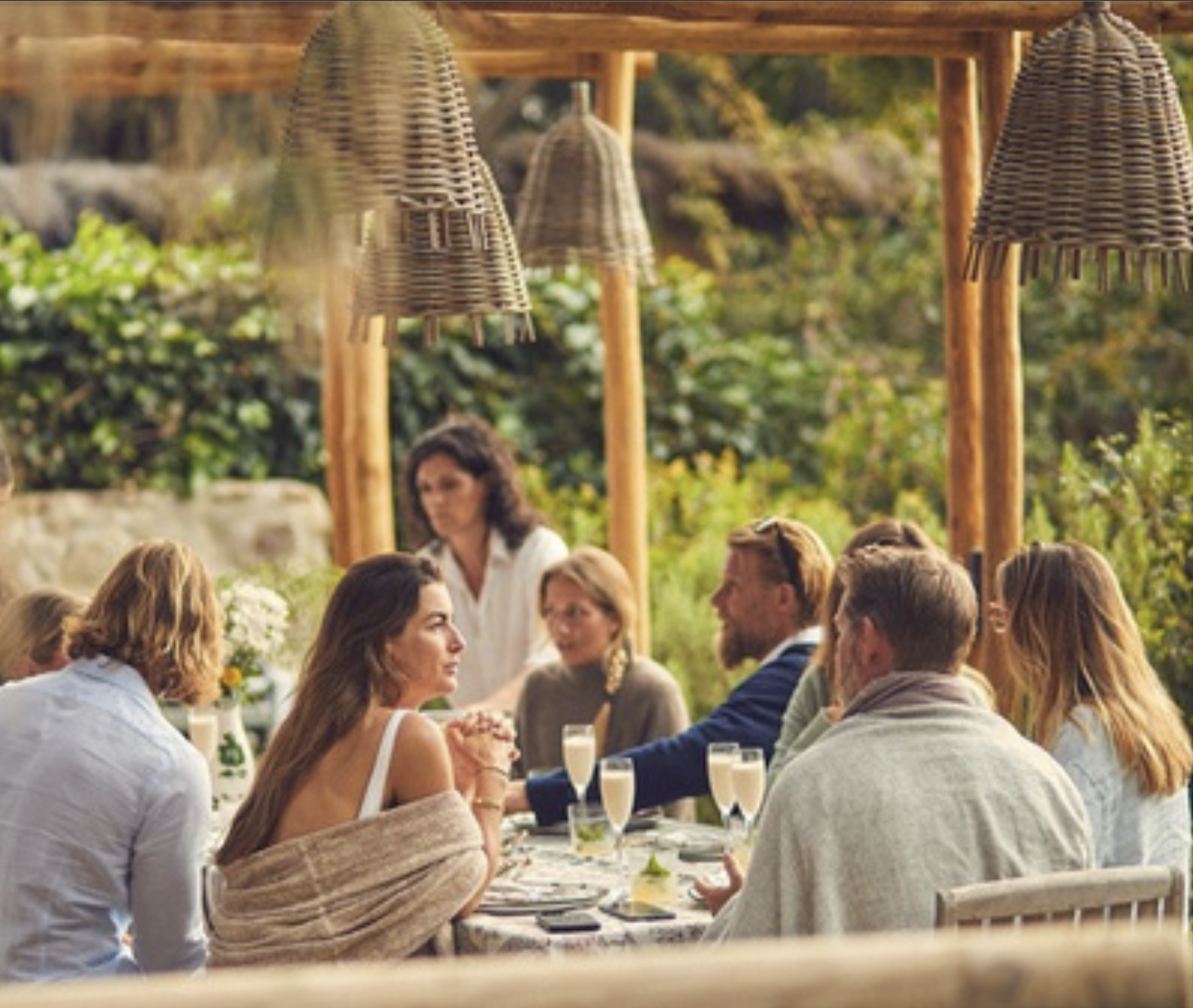
That deficit, in her eyes, is everywhere. Modern life has disconnected us from food, nature, rhythm, community and ultimately ourselves. “ Ninety percent of what’s in a supermarket is not food,” she says. “ Ninety percent of what is projected into your ears is not true.”
Over the past year, Drummond has channelled those beliefs into Rewilding T ribe, a science-backed platform spanning a podcast, membership community and various programmes rooted in what she describes as “food as medicine”. But the philosophy behind it was forged long before the business existed.
Drummond grew up across Jordan, Egypt, India and Singapore, returning to England in her late teens after a childhood immersed in cultures that felt, she says, deeply connected to the earth and to community. “I was brought up in deep, rich culture,” she says. “I’m much more at home climbing rocks barefoot, hugging a cave, than I am sitting in an aristocratic drawing room.”


That sense of wildness stayed with her, even as her adult life became increasingly complex. She built businesses from a young age and worked across branding and entrepreneurship, but privately, her health was collapsing.
“I spent two years of my twenties in bed recovering from a myriad of diseases,” she says. “Kidney failure, cystic acne, total body ill health. Y ou name it, it was happening.” Later came serious health challenges involving one of her children, experiences which fundamentally reshaped her relationship with medicine and healing. At one point, after years of hospital appointments and interventions, she says doctors proposed placing her seven-year-old son on multiple medications and sectioning him.
“That’s really where my outlook comes from,” she says.
“I became determined to work out how to navigate all of that, stay true to nature, reject conformity and actually learn how to live and thrive daily. ”

What followed was years of self-directed research into cellular health, mineral depletion, mitochondrial function and inflammation. The language she uses is strikingly scientific for someone who also speaks in terms of instinct and energy.
“What is the cellular energetic status in my body?” she asks. “How am I going to up my absorption, hydration and nutrient density with every single mouthful?”
Again and again, she returns to the body as something intelligent rather than broken. Much of modern wellness, she believes, treats symptoms while ignoring the root cause.“When you’re really ill and stuck, it is not just one thing,” she says. “It’s a domino chain reaction of biochemistry.”


Her solution is not about perfection but recalibration. Grass-fed meat. Pasture-raised eggs. Liver. Mineral-rich hydration. Sunlight. Nervous system regulation. Walking barefoot. Reducing inflammation. Learning how to nourish rather than simply consume.
“The hormones have to come into harmony over a period of time, ”
What makes her perspective compelling is that she speaks constantly about practicality. She is aware that much of what she advocates can sound inaccessible, particularly to women raising children while balancing work, finances and family life.
“How do you do this in a flat in London?” she asks. “How do you integrate more of the wild into your life when you’re city dwelling?”
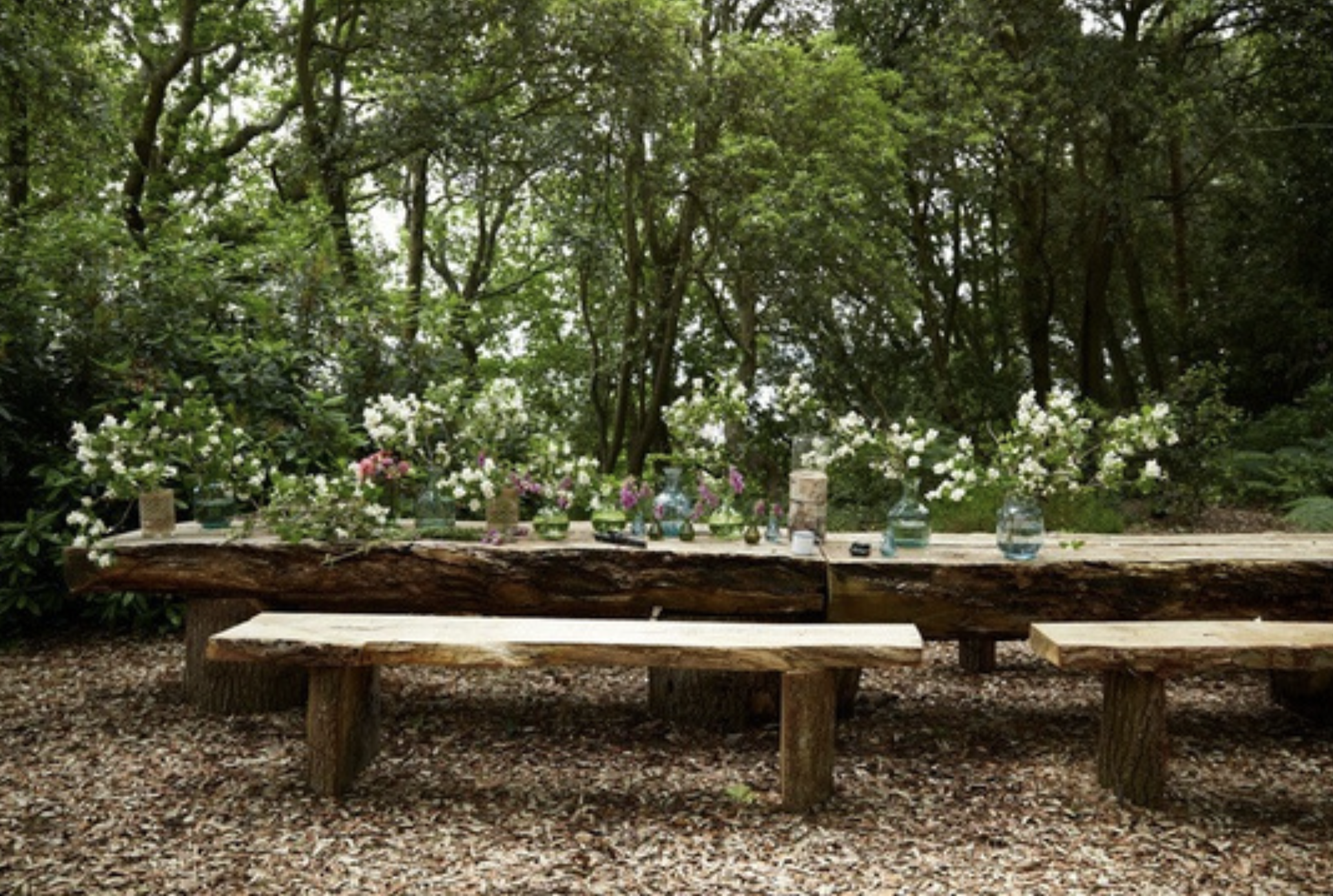
Her answer is not all-or-nothing purity. “If sixty percent of the time, you’re living in a way that is optimal for you and your family, then you’re doing well.”
She talks openly about the resistance that can emerge inside family life when one person begins changing their habits. Her own children were introduced to nutrient- dense foods like liver from an early age, though even now, she laughs, there is pushback. “It’s not easy,” she says.
“There’s objection, opinion, tension. But people have to get to a point where they’re willing to put in some graft to
reap rewards that are stellar.”
Much of her work now is focused on simplifying what she believes has become unnecessarily complicated.
“Humans seem to have a real problem with living the simplified life,”
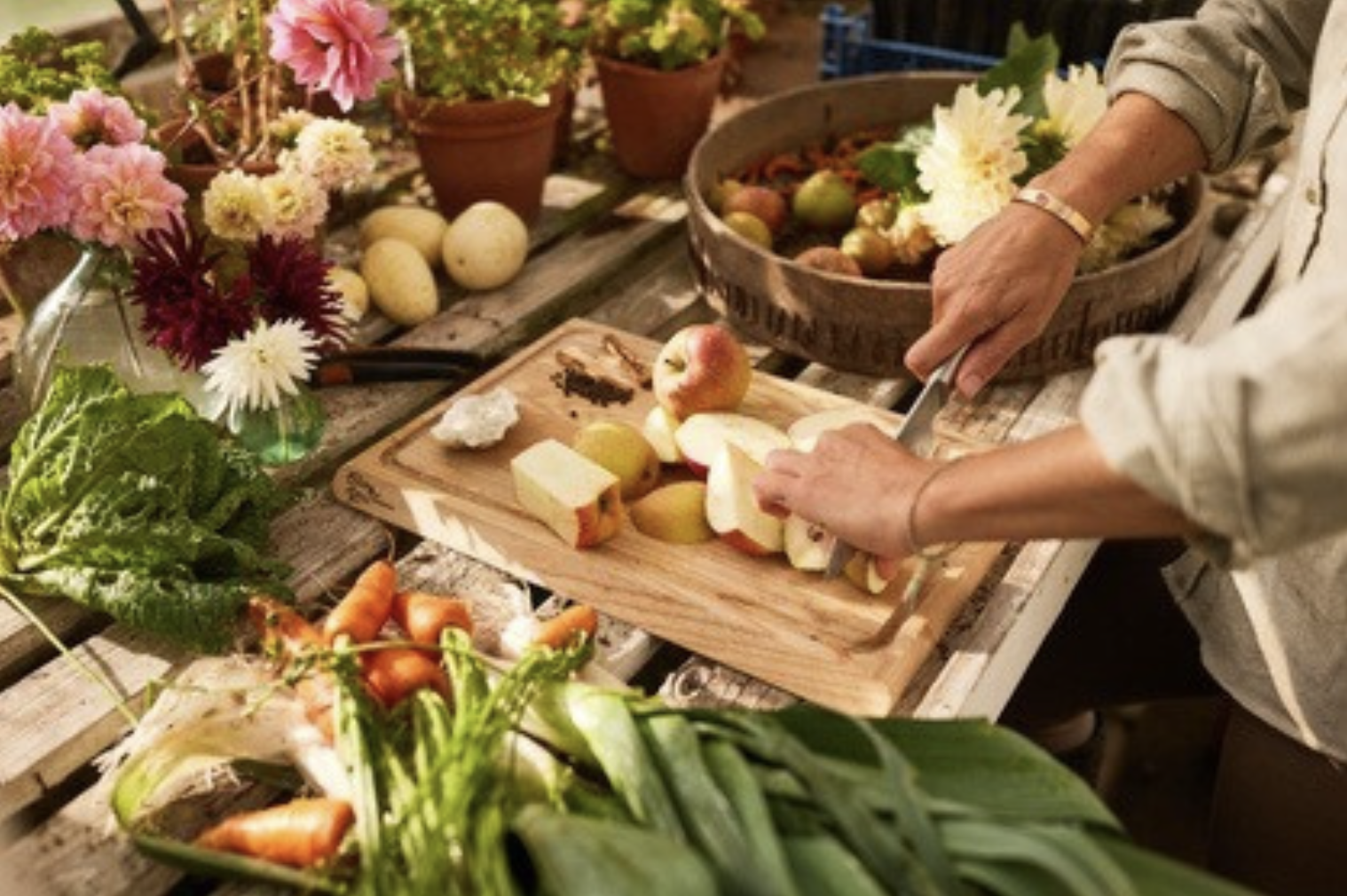
There is also a strong current of female sovereignty running through her thinking. Our conversation moves naturally from food and inflammation into womanhood, relationships and the imbalance she believes many women carry from years of operating in survival mode.
“I used my masculine strengths my whole life,” she says.“
Now I’m really focused on relearning the soft strength of the feminine.”
Not softness as passivity, but softness as instinct, intuition and grounded confidence. She wants her daughters, she says, to grow up feeling powerful in themselves rather than dependent on external validation.
“I want them to know they are invincible,” she says.
“That they don’t need to rely on anybody.”
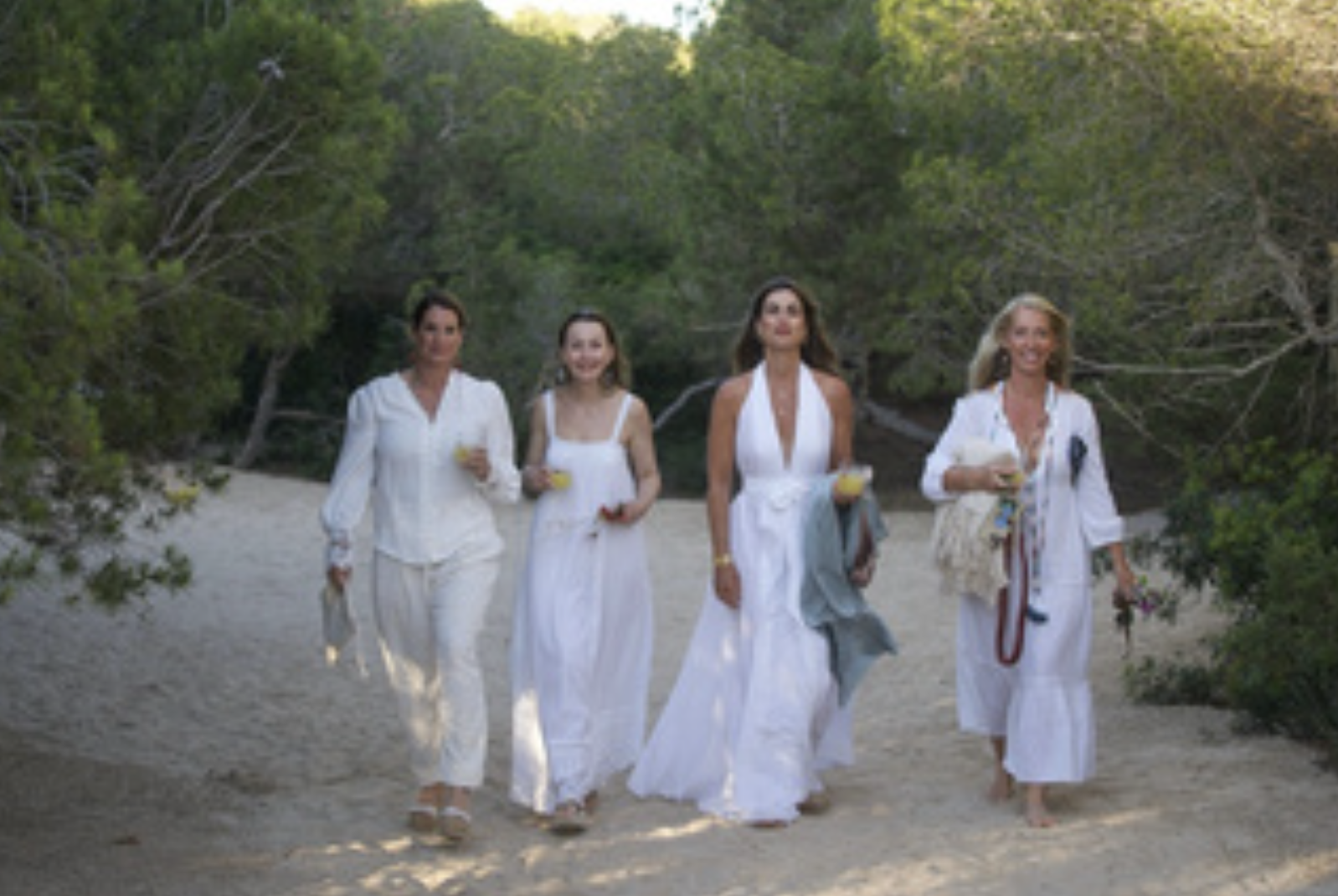
Community, too, sits at the centre of her philosophy. She speaks passionately about sisterhood and the absence of collective living in modern society. “The tribe formula is why we’re all messed up,” she says bluntly. “We’re missing community. We’re missing sisterhood.”
For Drummond, nutrient-dense living extends far beyond food. It is about environment, nervous system, relationships, purpose and presence. The way she speaks about nature is less aesthetic than biological. Sunlight, grounding, cold water, mineral balance: these are not trends to her, but ancient human requirements modern life has stripped away. “
All of these things are part of the science,” she says.
“They matter more to me than people’s opinions because they make me feel amazing. ”
That tension between ancestral wisdom and modern science is precisely where Rewilding Tribe seems to sit.
Pro-science, but deeply sceptical of systems that prioritise symptom management and medical intervention over
long-term vitality.
“What I’m really asking,” she says, “is how do we actually live well?”
For her, the answer is neither luxurious nor complicated. It is a return. To nourishment. To instinct. To the body’s own intelligence. And to a slower, more conscious way of moving through the world.
by Maya Boyd
What becomes clear very quickly speaking to Fee Drummond is that she is not interested in wellness as performance. She is interested in survival. In vitality. In what happens when we begin paying attention to the signals our bodies have been trying to send for years. Her language is intense, instinctive, almost primal at times, but beneath it sits an extraordinary amount of research into biochemistry, inflammation, hormones and nutrient absorption. What she calls “nutrient-dense living” is not another restrictive doctrine disguised as self-care. If anything, it is the opposite.
“I don’t believe that we need to diet anymore,”
she tells me. “This is about abundance. We’re in recovery from a deficit.”
That deficit, in her eyes, is everywhere. Modern life has disconnected us from food, nature, rhythm, community and ultimately ourselves. “ Ninety percent of what’s in a supermarket is not food,” she says. “ Ninety percent of what is projected into your ears is not true.”
Over the past year, Drummond has channelled those beliefs into Rewilding T ribe, a science-backed platform spanning a podcast, membership community and various programmes rooted in what she describes as “food as medicine”. But the philosophy behind it was forged long before the business existed.
Drummond grew up across Jordan, Egypt, India and Singapore, returning to England in her late teens after a childhood immersed in cultures that felt, she says, deeply connected to the earth and to community. “I was brought up in deep, rich culture,” she says. “I’m much more at home climbing rocks barefoot, hugging a cave, than I am sitting in an aristocratic drawing room.”
That sense of wildness stayed with her, even as her adult life became increasingly complex. She built businesses from a young age and worked across branding and entrepreneurship, but privately, her health was collapsing.
“I spent two years of my twenties in bed recovering from a myriad of diseases,” she says. “Kidney failure, cystic acne, total body ill health. Y ou name it, it was happening.” Later came serious health challenges involving one of her children, experiences which fundamentally reshaped her relationship with medicine and healing. At one point, after years of hospital appointments and interventions, she says doctors proposed placing her seven-year-old son on multiple medications and sectioning him.
“That’s really where my outlook comes from,” she says.
“I became determined to work out how to navigate all of that, stay true to nature, reject conformity and actually learn how to live and thrive daily. ”
What followed was years of self-directed research into cellular health, mineral depletion, mitochondrial function and inflammation. The language she uses is strikingly scientific for someone who also speaks in terms of instinct and energy.
“What is the cellular energetic status in my body?” she asks. “How am I going to up my absorption, hydration and nutrient density with every single mouthful?”
Again and again, she returns to the body as something intelligent rather than broken. Much of modern wellness, she believes, treats symptoms while ignoring the root cause.“When you’re really ill and stuck, it is not just one thing,” she says. “It’s a domino chain reaction of biochemistry.”
Her solution is not about perfection but recalibration. Grass-fed meat. Pasture-raised eggs. Liver. Mineral-rich hydration. Sunlight. Nervous system regulation. Walking barefoot. Reducing inflammation. Learning how to nourish rather than simply consume.
“The hormones have to come into harmony over a period of time, ”
What makes her perspective compelling is that she speaks constantly about practicality. She is aware that much of what she advocates can sound inaccessible, particularly to women raising children while balancing work, finances and family life.
“How do you do this in a flat in London?” she asks. “How do you integrate more of the wild into your life when you’re city dwelling?”
Her answer is not all-or-nothing purity. “If sixty percent of the time, you’re living in a way that is optimal for you and your family, then you’re doing well.”
She talks openly about the resistance that can emerge inside family life when one person begins changing their habits. Her own children were introduced to nutrient- dense foods like liver from an early age, though even now, she laughs, there is pushback. “It’s not easy,” she says.
“There’s objection, opinion, tension. But people have to get to a point where they’re willing to put in some graft to
reap rewards that are stellar.”
Much of her work now is focused on simplifying what she believes has become unnecessarily complicated.
“Humans seem to have a real problem with living the simplified life,”
There is also a strong current of female sovereignty running through her thinking. Our conversation moves naturally from food and inflammation into womanhood, relationships and the imbalance she believes many women carry from years of operating in survival mode.
“I used my masculine strengths my whole life,” she says.“
Now I’m really focused on relearning the soft strength of the feminine.”
Not softness as passivity, but softness as instinct, intuition and grounded confidence. She wants her daughters, she says, to grow up feeling powerful in themselves rather than dependent on external validation.
“I want them to know they are invincible,” she says.
“That they don’t need to rely on anybody.”
Community, too, sits at the centre of her philosophy. She speaks passionately about sisterhood and the absence of collective living in modern society. “The tribe formula is why we’re all messed up,” she says bluntly. “We’re missing community. We’re missing sisterhood.”
For Drummond, nutrient-dense living extends far beyond food. It is about environment, nervous system, relationships, purpose and presence. The way she speaks about nature is less aesthetic than biological. Sunlight, grounding, cold water, mineral balance: these are not trends to her, but ancient human requirements modern life has stripped away. “
All of these things are part of the science,” she says.
“They matter more to me than people’s opinions because they make me feel amazing. ”
That tension between ancestral wisdom and modern science is precisely where Rewilding Tribe seems to sit.
Pro-science, but deeply sceptical of systems that prioritise symptom management and medical intervention over
long-term vitality.
“What I’m really asking,” she says, “is how do we actually live well?”
For her, the answer is neither luxurious nor complicated. It is a return. To nourishment. To instinct. To the body’s own intelligence. And to a slower, more conscious way of moving through the world.
DON’T MISS